






What's Happening?
South Dakota's state minimum wage for non-tipped employees is scheduled to increase from $11.85 to $12.30 per hour, effective January 1, 2027. Concurrently, the hourly minimum wage for tipped employees will also see an increase, rising from $5.925 to $6.15.
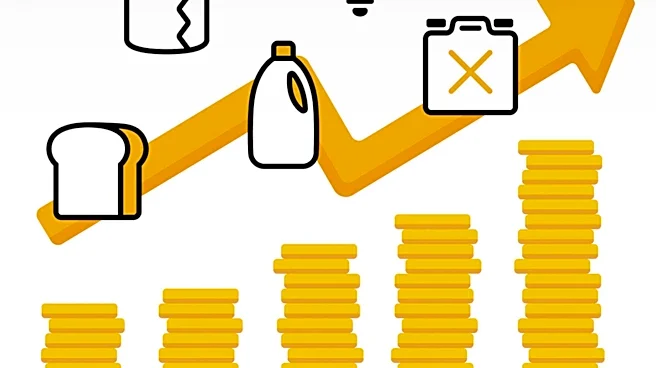
These adjustments are part of an annual process mandated by state law, which has seen South Dakota's minimum wage increase every year since 2016. The new wage rates will apply to employers across the state, with only limited exceptions. This consistent annual adjustment aims to keep pace with economic changes and ensure a baseline standard of living for workers in the state.
Why It's Important?
The upcoming increase in South Dakota's minimum wage is significant for both employees and businesses within the state. For non-tipped and tipped employees, this adjustment means a slight increase in their hourly earnings, potentially improving their purchasing power and overall financial stability. This can be particularly impactful for low-wage workers and their families. For businesses, especially those in sectors with a high proportion of minimum wage earners, the increase will necessitate adjustments to their payroll budgets and potentially their pricing strategies. While some businesses may face increased labor costs, proponents argue that higher wages can lead to increased employee morale, reduced turnover, and potentially higher productivity. The annual adjustment mechanism provides predictability for businesses, allowing them to plan for these changes in advance.
What's Next?
As the effective date of January 1, 2027, approaches, businesses in South Dakota will need to prepare for the updated minimum wage requirements. This includes reviewing their current wage structures, adjusting payroll systems, and communicating the changes to their employees. Employers should also ensure they are aware of any limited exceptions to the minimum wage law that might apply to their specific operations. The South Dakota Department of Labor and Regulation will likely provide further guidance and resources to help businesses comply with the new regulations. Employees, particularly those earning minimum wage, can anticipate a slight increase in their take-home pay starting in the new year.
Beyond the Headlines
The continuous annual adjustment of South Dakota's minimum wage reflects a broader national discussion about living wages and economic equity. While the incremental increases aim to provide a stable and predictable rise in wages, they also highlight the ongoing debate between advocates for higher minimum wages and businesses concerned about the impact on profitability and employment levels. This policy ensures that the minimum wage does not remain stagnant, thereby preventing a significant erosion of its value due to inflation over time. The consistent, pre-scheduled increases also reduce the political contention often associated with one-time, larger minimum wage hikes, allowing for a more gradual adaptation by the state's economy. This approach aims to balance the needs of workers with the economic realities faced by businesses in South Dakota.