



What's Happening?
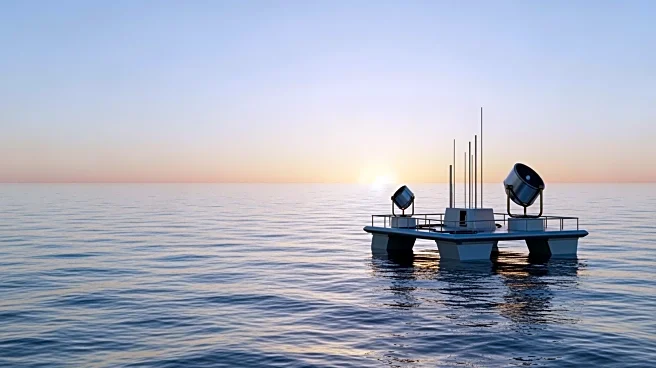
A report by the European Marine Board highlights the need for careful consideration before scaling up marine carbon dioxide removal technologies. These technologies, which leverage the ocean's ability to absorb carbon, include biological methods like
promoting plankton growth and chemical methods such as ocean alkalinity enhancement. The report emphasizes the importance of ensuring these technologies are effective and do not cause harm. The findings were presented at the COP30 climate summit, stressing the urgency of cutting emissions while exploring carbon removal as a supplementary measure.
Why It's Important?
The report underscores the critical role of oceans in achieving net zero emissions by 2050. While cutting emissions remains the top priority, marine carbon removal could help address residual emissions that are difficult to eliminate. However, the technologies are still in their infancy, and their environmental impacts need thorough assessment. Establishing standards for monitoring, reporting, and verification is essential to ensure responsible implementation and to provide reliable carbon credits for companies and governments.
What's Next?
The European Marine Board calls for the development of robust frameworks to govern marine carbon removal technologies. This includes setting standards for monitoring and verifying carbon sequestration and assessing potential environmental impacts. As these technologies mature, they could play a significant role in global climate strategies, but only if implemented responsibly. The report advocates for continued research and international collaboration to refine these technologies and integrate them into broader climate policies.