





What's Happening?
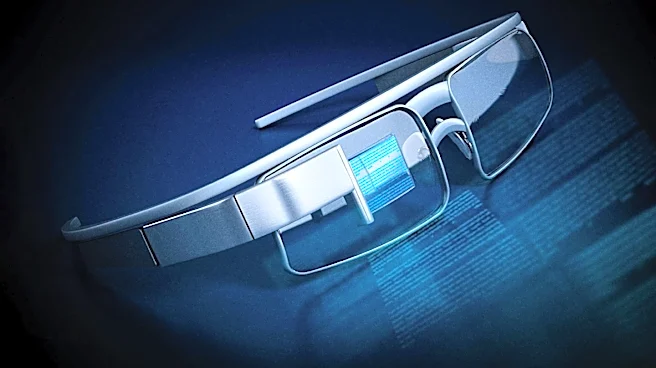
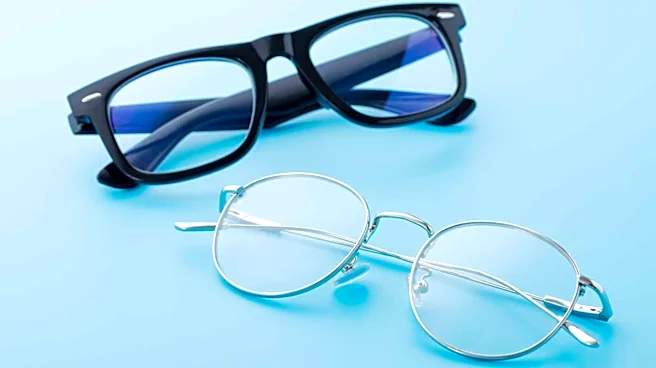
Meta AI smart glasses, including Ray-Ban Meta and Oakley Meta models, are emerging as a new wearable assistive technology for individuals with permanent visual impairment. These devices integrate a camera, microphones, open-ear speakers, voice recognition,
and artificial intelligence to provide auditory descriptions of the visual environment. Unlike traditional low-vision aids that magnify images, these smart glasses help patients interpret visual information through speech. A significant clinical application is their integration with Be My Eyes, an accessibility service that connects blind and low-vision individuals with sighted volunteers. This allows users to initiate a call via voice command, enabling a volunteer to see through the glasses' camera and describe the scene, with the patient hearing the response through the glasses. This technology aims to improve functional independence for patients with conditions such as age-related macular degeneration, Stargardt disease, advanced diabetic retinopathy, and glaucoma.
Why It's Important?
This development is important because it introduces an alternative sensory pathway for low-vision rehabilitation, moving beyond traditional optical magnification to AI-powered auditory assistance. For eye care professionals, it presents an opportunity to integrate advanced wearable technology into comprehensive rehabilitation plans, potentially enhancing patients' ability to perform daily activities. The integration with services like Be My Eyes offers real-time human assistance, which can be crucial for tasks requiring nuanced interpretation. However, clinicians must carefully select patients, understand device limitations, and provide structured evaluations. The technology's success depends on factors like the patient's hearing, cognitive abilities, smartphone proficiency, and internet connectivity. While promising, independent research is still needed to fully determine how reliably these consumer AI smart glasses improve validated functional outcomes, quality of life, and long-term independence across various low-vision diagnoses.
What's Next?
Eye care professionals are advised to conduct structured low-vision assessments to identify patient limitations and functional goals before recommending Meta AI smart glasses. This includes evaluating underlying diagnoses, measuring visual acuity, assessing contrast sensitivity and visual fields, and understanding functional vision. In-office functional testing with the smart glasses is recommended to compare performance against existing visual aids. Clinicians will also need to educate patients on setting up the Be My Eyes app, including downloading necessary applications, creating accounts, and testing voice commands. Future developments are expected to improve scene interpretation, text recognition, object identification, and personalized auditory descriptions. However, ongoing independent research is crucial to establish the clinical effectiveness and long-term benefits of these devices.
Beyond the Headlines
The introduction of Meta AI smart glasses raises several deeper implications, particularly concerning AI limitations and patient safety. Artificial intelligence can produce incorrect descriptions or fail to identify objects, posing risks for critical tasks like medication identification, traffic navigation, or financial information. Patients must be instructed to verify safety-critical information through alternative reliable sources. Furthermore, these smart glasses do not restore visual function but offer compensatory assistance, meaning they are not substitutes for traditional mobility aids like white canes or guide dogs. Privacy and consent are also significant concerns, as the devices use cameras and connected services, requiring patients to understand how visual data may be processed or shared. Ethical considerations also extend to billing and reimbursement, as Medicare generally excludes routine eyeglasses and many low-vision aids, making these devices typically an out-of-pocket purchase unless specific benefit programs confirm coverage.