







What's Happening?
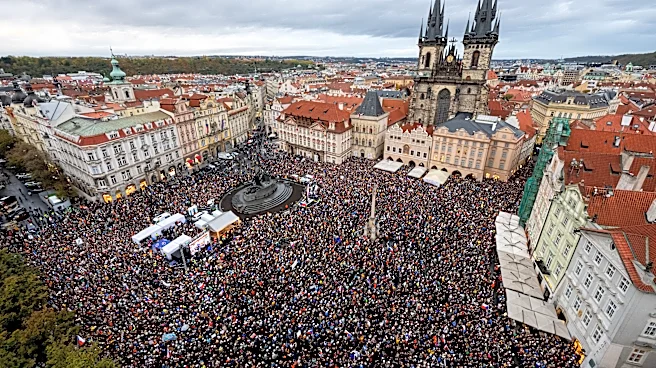
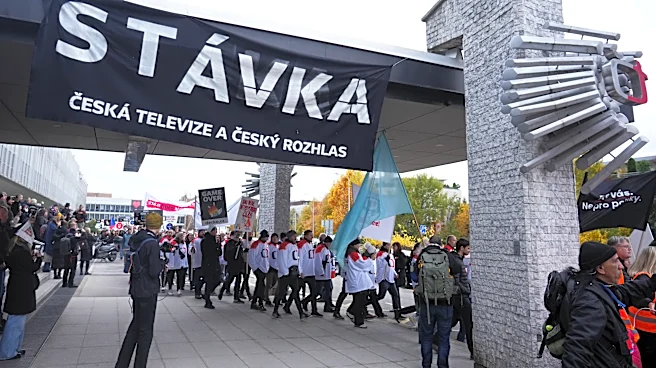
Thousands of protesters, including university students and artists, gathered in Prague and other Czech cities as public television and radio workers held a one-day strike. The strike was in response to a government plan to cut financing for public broadcasters
and shift their funding to the state budget. Workers and demonstrators argue that this plan would harm the broadcasters' independence and viability. The government, led by Prime Minister Andrej Babis and supported by far-right and eurosceptic parties, has frequently accused both private and public media of bias. The proposed overhaul includes canceling a 205-crown ($9.43) monthly household broadcasting fee, which currently funds public media. Opposition parties have drawn parallels between these proposed changes and media reforms in Hungary under former Prime Minister Viktor Orban, an ally of Babis, who established a network of pro-government media during his tenure. Critics, including Czech TV reporter Jan Molacek, warn that the proposal, if passed, would grant the government coalition tools to politically influence the content of public media.
Why It's Important?
The strike by Czech public broadcasters and the accompanying protests highlight a critical threat to media independence and democratic principles in the Czech Republic. Shifting funding from an independent fee to the state budget could make public media vulnerable to political pressure and manipulation, potentially compromising their ability to provide unbiased news and critical analysis. This move is particularly concerning given the government's history of accusing media of bias, suggesting a deliberate attempt to control narratives. The comparison to Hungary's media landscape under Viktor Orban raises alarms about a potential erosion of press freedom and the establishment of state-controlled media. For the public, this could mean a significant reduction in access to diverse and independent information, which is essential for informed civic participation and holding power accountable. The outcome of this legislative battle will be a key indicator of the future of media freedom in the Czech Republic.
What's Next?
The government's bill, which passed a preliminary vote, now awaits further debate in parliament. Media workers and supporters are expected to continue their advocacy against the proposed changes, potentially through further strikes and protests. The government, while reiterating its claim of merely lightening the financial burden on the public, has indicated that changes to the bill could be made during further debate. This suggests that there might be room for negotiation or amendments, but the core intent to alter the funding mechanism remains. Opposition parties and civil society groups will likely intensify their efforts to block or significantly modify the bill, emphasizing the importance of legal safeguards against political interference. The debate will likely be closely watched by international organizations concerned with media freedom and democratic governance.
Beyond the Headlines
This situation in the Czech Republic reflects a broader global challenge where governments, particularly those with populist leanings, seek to exert greater control over media narratives. The argument of 'lightening the financial burden' on the public often serves as a pretext for undermining the financial autonomy of public broadcasters, thereby making them more susceptible to political influence. The erosion of independent public media can have profound long-term consequences for democratic societies, as it limits the public's ability to access diverse perspectives and hold power accountable. This development underscores the importance of robust legal frameworks and strong public support for independent journalism to safeguard against political interference and maintain a healthy democratic discourse. The outcome in the Czech Republic could set a precedent for other nations facing similar pressures on their public media institutions.