
What's Happening?
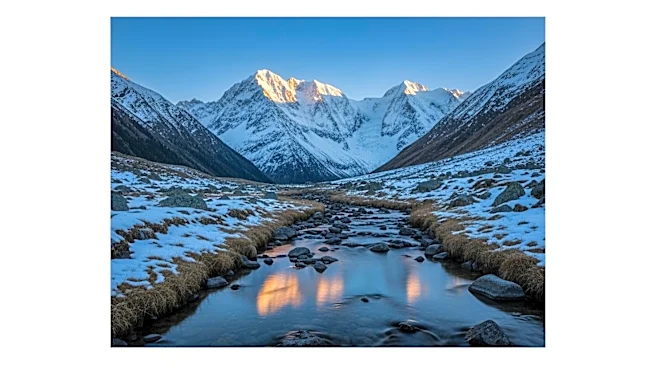
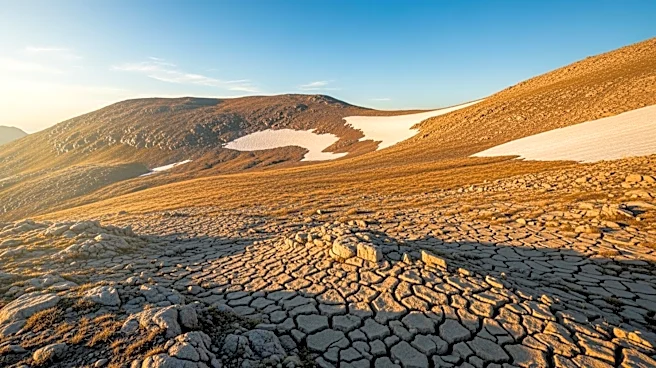
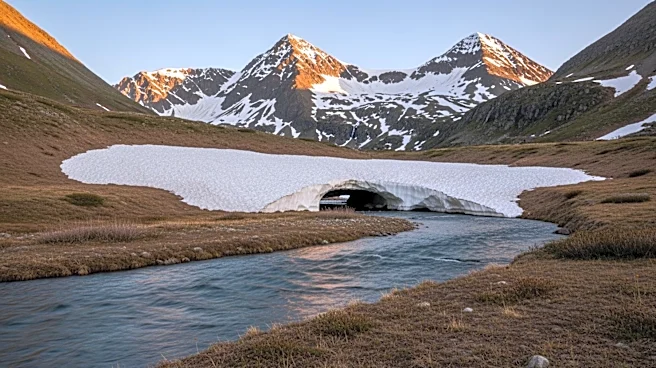
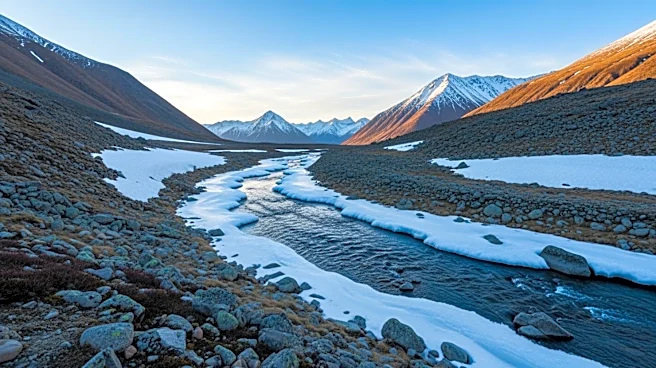
California is facing a challenging summer due to one of the lowest snowpacks ever recorded, according to measurements by the California Department of Water Resources (DWR). As of April 1, the snowpack levels
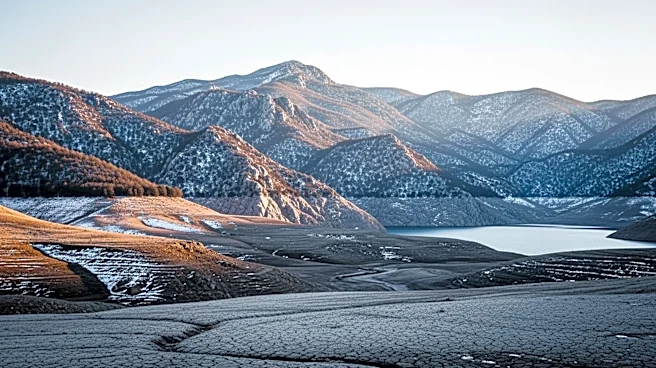
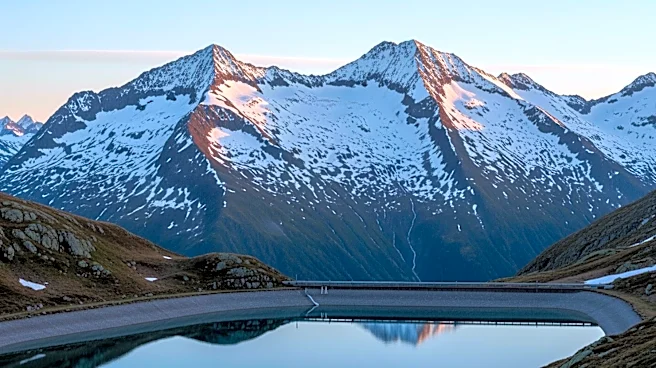
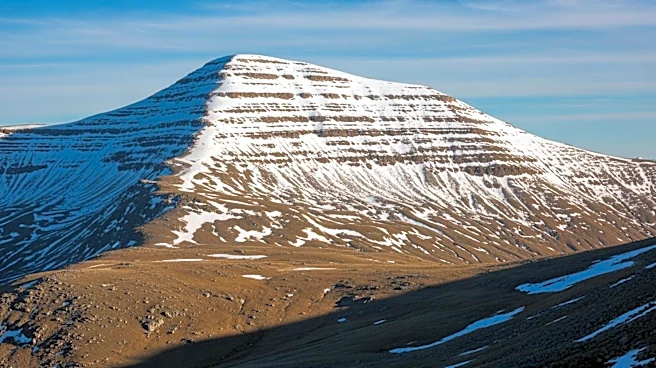
are at just 18 percent of average, marking the second-lowest on record. The snowpack is crucial for California's water system, supplying approximately 30 percent of the state's water needs. This year's low levels mean less meltwater will be available during the dry months, increasing the likelihood of water shortages. Jeff Mount, a senior fellow at the Public Policy Institute of California’s Water Policy Center, expressed concern over the conditions, noting that the snow did not accumulate where needed. The situation is exacerbated by unusually warm conditions that have led to earlier melting, shifting water availability forward.
Why It's Important?
The snowpack's role in California's water system is vital, as it gradually melts through spring and summer, feeding reservoirs and sustaining rivers. This year’s low snowpack levels mean reduced meltwater during the dry months, which could lead to water shortages. Additionally, earlier melting extends the dry season, increasing wildfire risks and threatening fish and wildlife habitats. The situation highlights the need for California to adapt its water management systems to cope with increasingly volatile precipitation patterns. DWR Director Karla Nemeth emphasized the importance of retrofitting aging water systems to handle fewer, warmer storms and shorter wet seasons.
What's Next?
The implications of the low snowpack extend beyond immediate water supply concerns. The extended dry season increases wildfire risks, while reduced river flows threaten ecological habitats. Karla Nemeth of the DWR suggests that traditional water systems may need to be updated to manage more volatile precipitation patterns effectively. Future water supplies will depend on the ability to capture and manage water efficiently when it is available. This situation may prompt policymakers and water management authorities to consider new strategies for water conservation and infrastructure improvements.