





What's Happening?
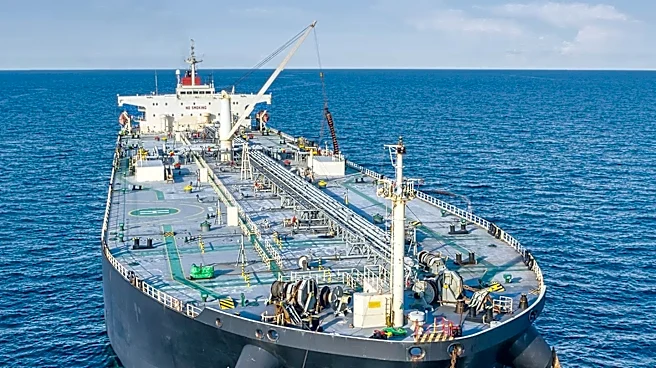
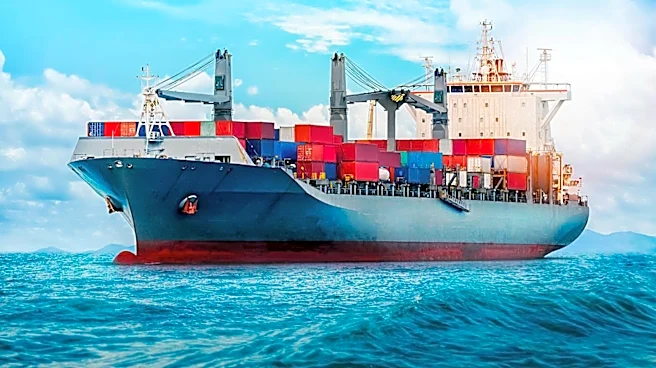
The Gulf States, including the UAE, Saudi Arabia, and Qatar, are increasingly investing in unmanned maritime systems to bolster their security architecture. This strategic shift is driven by the need to protect critical maritime trade routes and energy
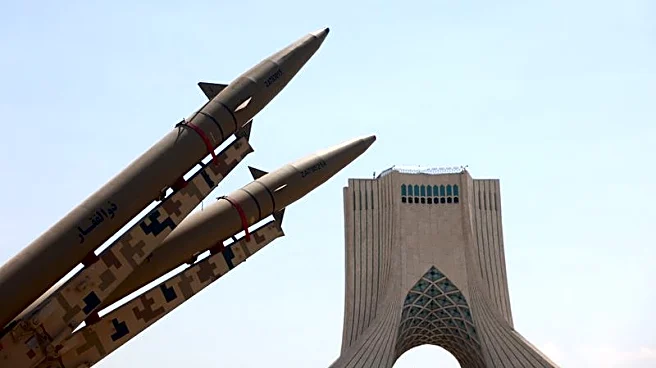
supplies, particularly in the Red Sea and the Persian Gulf. The use of unmanned surface and underwater vehicles, along with AI-enabled surveillance networks, reflects a broader transformation in maritime security. These technologies allow for continuous monitoring and protection of vital sea lines of communication, addressing threats from Iran's asymmetric maritime strategies and Houthi attacks in the region.
Why It's Important?
The integration of unmanned systems in maritime security represents a significant advancement in defense technology for the Gulf States. This development is crucial for safeguarding the region's energy exports and ensuring the stability of global trade routes. The strategic corridor from Bab el-Mandeb to the Persian Gulf is vital for the global energy market, and any disruption could have far-reaching economic consequences. The Gulf States' focus on modernizing their defense capabilities also highlights the growing importance of technological innovation in maintaining regional power and security.
What's Next?
As the Gulf States continue to enhance their maritime security capabilities, they are likely to further develop their defense industries and seek international partnerships to advance their technological expertise. The ongoing geopolitical tensions in the region, particularly with Iran, will necessitate continued investment in unmanned systems and AI-driven surveillance. Additionally, the Gulf States may explore collaborative efforts with global powers to strengthen their security frameworks and address emerging threats in the maritime domain.