







What's Happening?
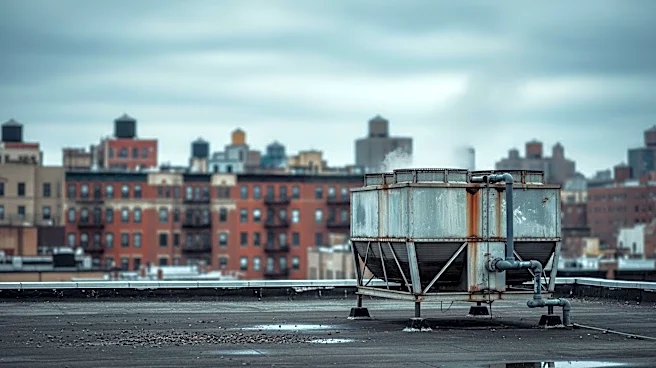
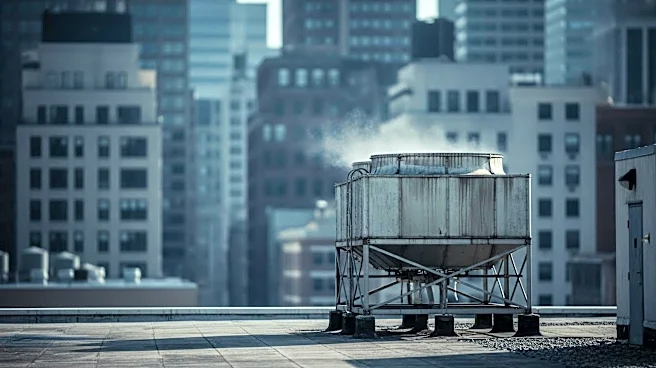
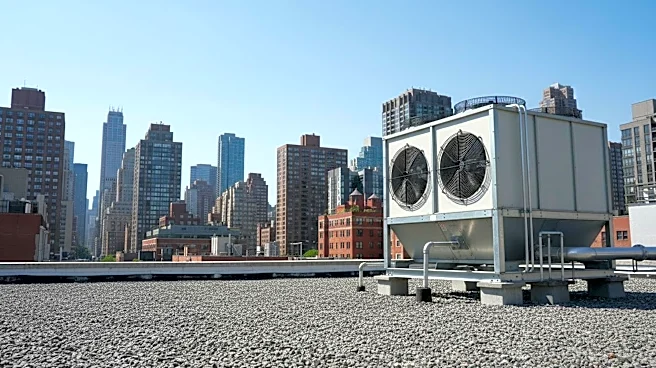
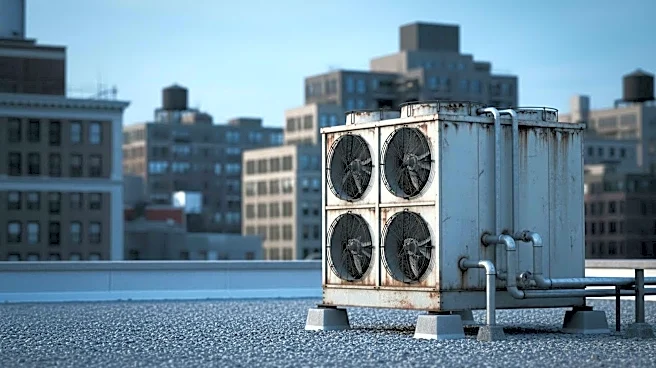
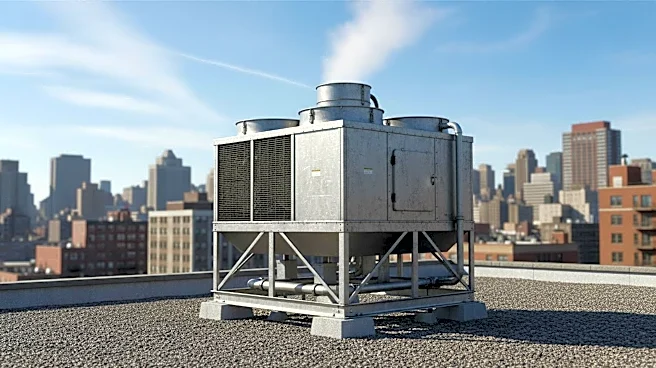
New York City is currently addressing a cluster of Legionnaires' disease cases on the Upper East Side, with 36 reported cases and 22 hospitalizations. The city's health department has been testing cooling towers in the affected area, as the disease is commonly
spread through mist from contaminated towers. A building at 1511 Third Avenue was identified as having a cooling tower that tested positive for Legionella bacteria, prompting orders for cleaning and disinfection. The city plans to release a list of all buildings with positive tests for the bacteria. Residents in the area are advised to monitor for symptoms such as cough, fever, and shortness of breath.
Why It's Important?
The outbreak of Legionnaires' disease on the Upper East Side highlights the ongoing public health challenges posed by waterborne pathogens in urban environments. The disease can lead to severe respiratory illness, particularly affecting older adults and those with weakened immune systems. The situation underscores the importance of regular maintenance and monitoring of building cooling systems to prevent such outbreaks. The city's response, including testing and public advisories, aims to mitigate the spread and protect public health. The incident also raises awareness about the need for stringent health regulations and proactive measures in densely populated areas.
What's Next?
The New York City Department of Health will continue testing cooling towers in the affected ZIP codes to identify and address sources of contamination. The mayor's office is expected to release a comprehensive list of buildings with positive Legionella tests, which will inform further public health actions. Building owners may face increased scrutiny and potential regulatory changes to ensure compliance with health standards. Residents and businesses in the area will likely remain vigilant, with potential impacts on local activities and public gatherings until the situation is resolved.