





What's Happening?
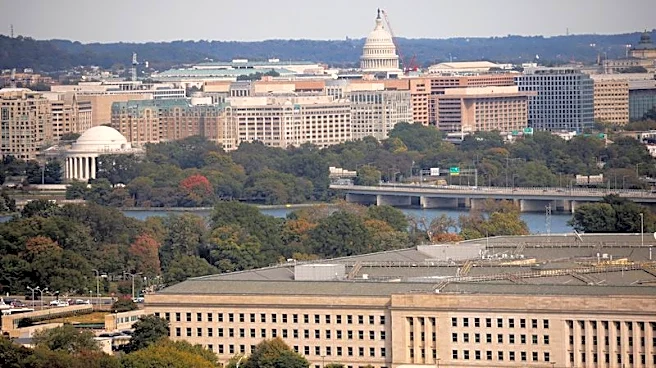
U.S. District Judge Paul Friedman has ruled that the Department of Defense's revised press policy is unconstitutional, marking a significant development in the ongoing legal battle over press access to the Pentagon. The policy, initially introduced in 2025,
restricted journalists from soliciting unauthorized information, threatening their access to the Pentagon. Despite a previous court order blocking the policy, the Pentagon issued a revised version that closed the 'Correspondents’ Corridor' and required journalists to have escorts. Judge Friedman found that these changes still violated the First Amendment, as they were attempts to circumvent the court's injunction. The New York Times, which sued the Pentagon over the policy, welcomed the ruling, emphasizing the importance of press freedom. The Pentagon plans to appeal the decision, maintaining that it has complied with the court's orders.
Why It's Important?
This ruling underscores the tension between national security concerns and press freedom, a fundamental aspect of democratic governance. The decision is significant as it reaffirms the judiciary's role in upholding constitutional rights against executive overreach. For journalists, the ruling is a victory for press freedom, ensuring continued access to government information, which is crucial for public accountability. The Pentagon's appeal could set a precedent for how press access is managed in sensitive government areas, potentially affecting how other government agencies handle media relations. The outcome of this legal battle could influence future policies on press access and the balance between security and transparency.
What's Next?
The Pentagon's decision to appeal the ruling suggests that the legal battle over press access is far from over. The appeal process will likely involve further scrutiny of the balance between national security and press freedom. The outcome could lead to new guidelines or policies that redefine how journalists interact with the Pentagon and other government entities. Stakeholders, including media organizations and press freedom advocates, will be closely monitoring the appeal, as its outcome could have broader implications for journalistic practices and government transparency.