






What's Happening?
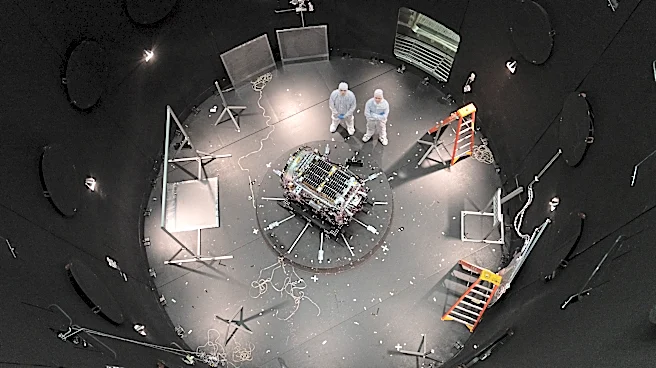
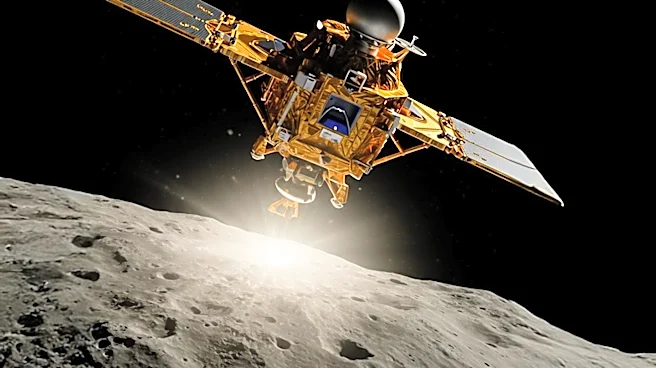
NASA's mission to rescue the Neil Gehrels Swift Observatory, which is at risk of burning up in Earth's atmosphere, has encountered significant technical issues. The spacecraft LINK, designed by Katalyst Space, experienced problems with its attitude control,
causing it to spin uncontrollably. This has led to sporadic communications and a loss of functionality in its cold gas thruster system, critical for capturing the telescope. Efforts are underway to stabilize the spacecraft using electric propulsion thrusters, with plans to update its guidance systems to address the degraded configuration.
Why It's Important?
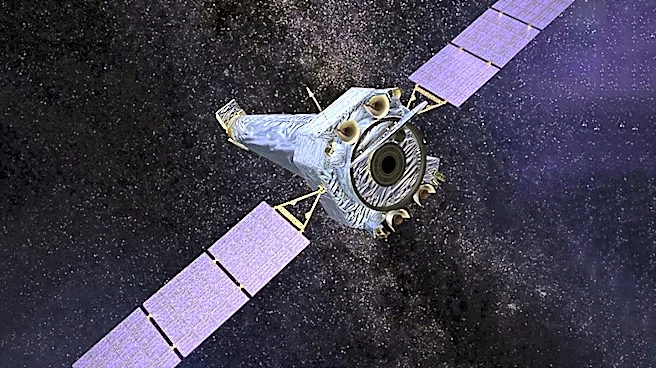
The Swift Observatory has been a vital tool for astronomical research, studying gamma-ray bursts and other celestial phenomena since its launch in 2004. Extending its operational life is crucial for ongoing scientific exploration and data collection. The mission's success could pave the way for future satellite rescue operations, demonstrating the feasibility of extending the life of aging space assets. However, the technical challenges highlight the complexities and risks involved in such missions, emphasizing the need for robust engineering solutions and contingency planning.
What's Next?
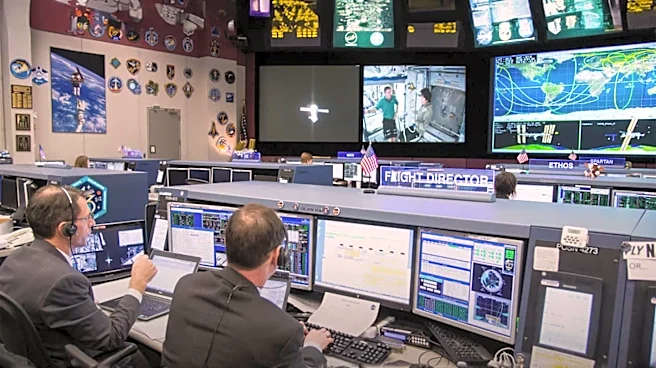
NASA and Katalyst Space will continue efforts to stabilize LINK and evaluate revised plans for capturing the Swift Observatory. The mission's outcome will depend on the spacecraft's health and the safety of the approach. If successful, the observatory could be boosted into a more stable orbit, extending its scientific contributions. The mission's progress will be closely monitored, with potential implications for future satellite maintenance and rescue missions.