
What's Happening?
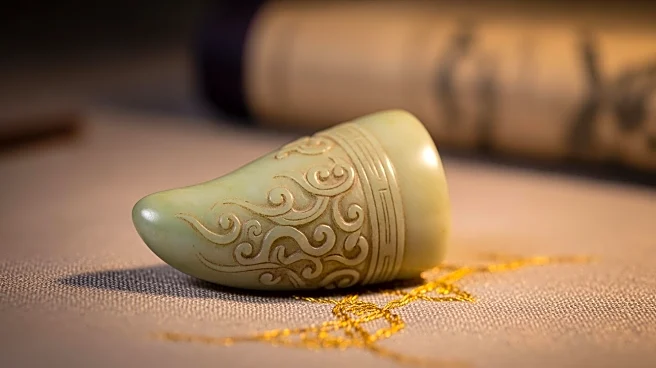
Recent studies have shed light on the dental practices of ancient Chinese civilizations, particularly those from the Neolithic and Bronze Age communities along the Yellow and Yangtze River basins. Osteoarchaeological
evidence indicates that teeth were sometimes used as ornamental objects, and there are signs of early tooth extraction practices. The Nei Ching, a classic text dated to around 2700 BC, discusses various dental issues such as toothache and dental caries, highlighting the diagnostic importance of tongue examination. Although evidence of dental interventions from this period is limited, contemporary texts describe a range of mineral and botanical preparations used for dental care. These findings suggest that ancient Chinese dental care relied heavily on non-invasive methods, such as external applications and mouthwashes, rather than surgical techniques.
Why It's Important?
The exploration of ancient Chinese dental practices provides valuable insights into the evolution of medical and dental knowledge. Understanding these early methods highlights the ingenuity of ancient civilizations in addressing health issues with the resources available to them. This historical perspective can inform modern dental practices by showcasing the long-standing human endeavor to improve health and hygiene. Additionally, the emphasis on non-invasive treatments in ancient times reflects a holistic approach to health that is gaining renewed interest in contemporary medicine. The study of these practices also underscores the cultural significance of dental health in ancient societies, which can influence current public health strategies.
What's Next?
Further research into ancient dental practices could uncover more about the cultural and medical history of early civilizations. Archaeologists and historians may continue to explore other regions and periods to compare dental practices and their evolution over time. This could lead to a broader understanding of how ancient societies approached health and wellness, potentially influencing modern medical and dental research. Additionally, the integration of traditional methods with modern techniques could offer new avenues for developing sustainable and culturally sensitive healthcare solutions.
Beyond the Headlines
The study of ancient dental practices not only provides insights into historical health care but also raises questions about the cultural and social aspects of health in ancient societies. The use of teeth as ornaments and the ritualistic aspects of dental care suggest a complex relationship between health, identity, and social status. These findings can contribute to a deeper understanding of how health practices are intertwined with cultural beliefs and social structures, offering lessons for contemporary society in terms of integrating cultural sensitivity into healthcare practices.