






What's Happening?
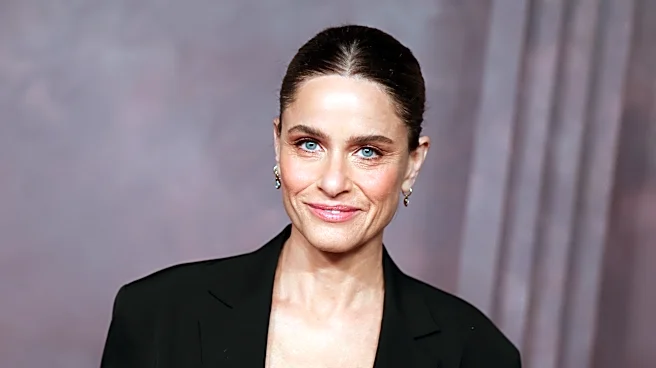
Whitney Brooks, a 34-year-old woman from Baton Rouge, Louisiana, is sharing her story of Stage 4 breast cancer with only weeks left to live, in an effort to encourage other women to prioritize early detection. Brooks was diagnosed with Stage 3 breast cancer at age 27,
but she first noticed a lump in her breast when she was 25. She initially dismissed it as a boil and delayed seeking medical attention due to fear. The disease has since progressed, spreading throughout her body, leaving her unable to walk, use the restroom, or feed herself independently. Brooks was placed on hospice in July with a 90-day prognosis. Despite her critical condition, she is using her remaining time to advocate for women to be aware of changes in their bodies and to overcome fear in seeking timely medical care.
Why It's Important?
This story underscores the critical importance of early detection in cancer treatment and the severe consequences of delayed medical intervention, particularly in the U.S. healthcare context. Brooks's experience highlights how fear and initial self-diagnosis can lead to advanced disease stages, significantly reducing survival rates and quality of life. For the healthcare system, it emphasizes the need for public health campaigns that not only raise awareness about cancer symptoms but also address psychological barriers to seeking care, such as fear and dismissal of symptoms. The narrative also points to disparities in healthcare access or patient education, where individuals might not feel empowered to seek immediate medical advice for concerning physical changes. This case serves as a stark reminder for both individuals and healthcare providers about the value of proactive health monitoring and the potential life-saving impact of prompt diagnosis and treatment.
What's Next?
Whitney Brooks is dedicating her final days to encouraging other women to pay attention to their bodies and seek medical care without delay. Her message, "Please, don't wait," is a direct plea to overcome the fear that she believes contributed to her advanced diagnosis. This personal advocacy is expected to continue through various media platforms, aiming to reach a broad audience. Healthcare organizations and cancer awareness groups may leverage her story to reinforce their messages about regular self-examinations and timely doctor visits. The impact of her story could lead to increased awareness and potentially influence more women to get screened, thereby improving early detection rates for breast cancer in the U.S. and potentially saving lives.
Beyond the Headlines
Beyond the immediate medical implications, Brooks's story touches on deeper societal issues surrounding health literacy and the psychological aspects of illness. Her initial dismissal of the lump as a 'boil' and subsequent delay due to fear reflect common human tendencies to rationalize symptoms or avoid confronting potentially serious health issues. This highlights a broader challenge in public health: how to effectively communicate the urgency of early detection and empower individuals to overcome fear and stigma associated with medical diagnoses. The narrative also implicitly questions the support systems available to individuals facing such daunting health decisions. Her decision to share her most vulnerable moments to help others speaks to a profound sense of altruism and resilience, transforming personal tragedy into a powerful public health lesson. It underscores the idea that personal stories can be potent tools for driving behavioral change and fostering a more proactive approach to health within communities.