



What's Happening?
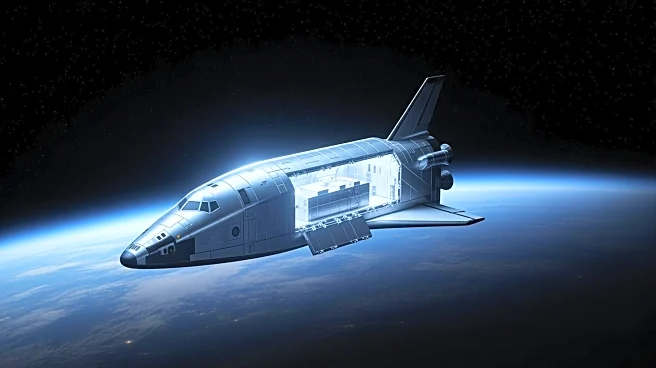
NASA is set to oversee the departure of Northrop Grumman's Cygnus XL cargo spacecraft from the International Space Station (ISS). The spacecraft, which delivered over 11,000 pounds of supplies and scientific equipment to the ISS, is scheduled to undock
on March 12. The Cygnus XL, part of Northrop Grumman's 23rd Commercial Resupply Services mission, will be detached from the ISS's Unity module by the Canadarm2 robotic arm. European Space Agency astronaut Sophie Adenot will monitor the spacecraft's systems during its departure. After undocking, the Cygnus XL will be commanded to deorbit on March 14, where it will burn up upon reentry into Earth's atmosphere, disposing of several thousand pounds of trash.
Why It's Important?
The departure of the Cygnus XL spacecraft marks a significant step in NASA's ongoing efforts to maintain and supply the International Space Station. This mission highlights the collaboration between NASA and commercial partners like Northrop Grumman, which is crucial for the continued operation and research conducted on the ISS. The successful delivery and subsequent disposal of cargo demonstrate the efficiency and reliability of commercial resupply missions. This mission also showcases the capabilities of the larger Cygnus XL spacecraft, which can carry more cargo, thus enhancing the logistical support for the ISS and its international partners.
What's Next?
Following the departure of the Cygnus XL, NASA will continue to work with its commercial partners to ensure the ISS remains well-supplied. Future missions will likely build on the success of this mission, potentially involving more advanced spacecraft and increased cargo capacity. The ongoing partnership with Northrop Grumman and other commercial entities is expected to evolve, with new technologies and strategies being developed to support the ISS and other space exploration initiatives.