



What's Happening?
A study conducted by Ohio State University has found that two common tick species, the lone star and Gulf Coast ticks, can survive indoors on various types of home flooring for up to three weeks. The research, published in the Journal of Vector Ecology,
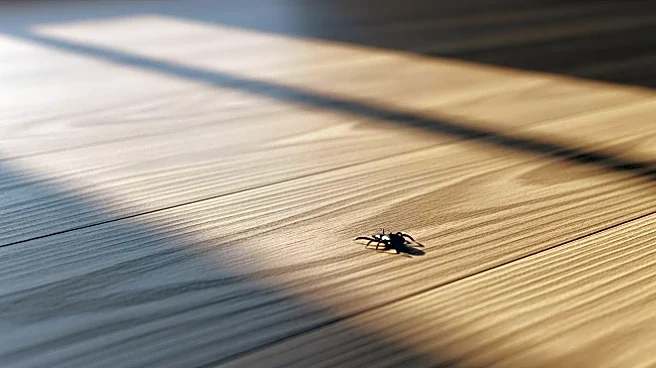
tested the survival rates of these ticks on tile, wood, vinyl, and carpeted floors. The study revealed that Gulf Coast ticks generally survived longer than lone star ticks, with the longest survival time recorded on vinyl flooring. The findings highlight the potential risk of ticks brought into homes on pets or clothing, emphasizing the need for preventive measures to avoid tick bites and the spread of tick-borne diseases.
Why It's Important?
The study's findings are crucial for public health as they underscore the importance of tick prevention and control measures within homes. With tick-borne diseases on the rise in the United States, understanding the survival capabilities of ticks indoors can help inform better prevention strategies. The research suggests that homeowners should be vigilant in checking pets and clothing for ticks and using preventive products to reduce the risk of tick infestations. This information is particularly relevant for regions where ticks are prevalent, as it can help mitigate the spread of diseases such as ehrlichiosis and alpha-gal syndrome, which are transmitted by these ticks.
What's Next?
Following the study, public health officials and researchers may focus on developing more effective tick prevention and control strategies for indoor environments. Educational campaigns could be launched to raise awareness about the risks of indoor tick survival and the importance of regular tick checks. Further research may explore additional factors influencing tick survival indoors, such as humidity and temperature variations in different home environments. These efforts could lead to improved guidelines for homeowners and contribute to reducing the incidence of tick-borne diseases.