








What's Happening?
To combat account theft, experts are strongly recommending the adoption of robust cybersecurity practices, primarily focusing on strong passwords and two-factor authentication (2FA). Sources indicate that individuals should avoid clicking on suspicious
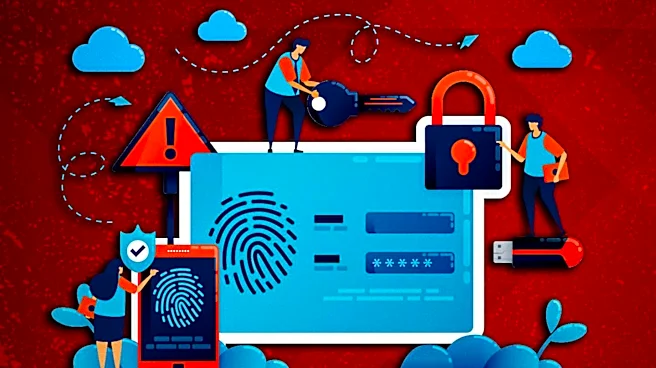
links or responding to unsolicited messages, as these are common tactics used by scammers. Utilizing a password manager is advised to generate and securely store long, unique passwords for various accounts. This manager itself should be protected with a strong master password and multifactor authentication. Furthermore, enabling 2FA, preferably through an authenticator app rather than SMS, adds an essential layer of security. Protecting the email account linked to social accounts is also crucial, as it often serves as the recovery point for password resets. Users are cautioned against sharing login or recovery codes and are encouraged to regularly review permissions granted to connected applications.
Why It's Important?
The increasing sophistication of cybercriminals and the potential for significant financial and personal fallout make these prevention methods critically important. Account theft can lead to fraudulent transactions, identity theft, and even wrongful arrests if personal information is used to commit crimes. Weak or reused passwords are a primary vulnerability, allowing cybercriminals to gain access to multiple accounts. The rise of AI-powered attacks means that traditional password security alone is often insufficient. Implementing 2FA significantly mitigates the risk of unauthorized access, even if a password is stolen. These measures protect not only individual financial well-being but also safeguard personal data and digital identities from exploitation, reducing the broader societal impact of cybercrime.
What's Next?
Individuals are encouraged to immediately implement these preventative measures across all their online accounts. This includes updating existing passwords to be stronger and unique, and activating 2FA wherever available. Regular monitoring of financial accounts for suspicious activity is also a crucial ongoing step. For those who suspect they have been victims of identity theft, resources like IdentityTheft.gov offer personalized recovery plans. Additionally, some states offer Identity Theft Passports, which can help victims prove their status to law enforcement. The ongoing evolution of cyber threats necessitates continuous vigilance and adaptation of security practices to stay ahead of new attack vectors.
Beyond the Headlines
The emphasis on individual responsibility in cybersecurity highlights a broader societal challenge in the digital age. While technological solutions like 2FA are vital, user education and consistent adherence to best practices are equally critical. The interconnectedness of digital lives means that a single compromised account can have ripple effects, impacting not just the individual but also their contacts and associated organizations. This situation underscores the need for a collective approach to cybersecurity, where financial institutions, technology providers, and individuals all play a role in fostering a more secure online environment. The ethical implications of data privacy and the legal ramifications of identity theft continue to evolve, making robust prevention a cornerstone of digital citizenship.