
What's Happening?
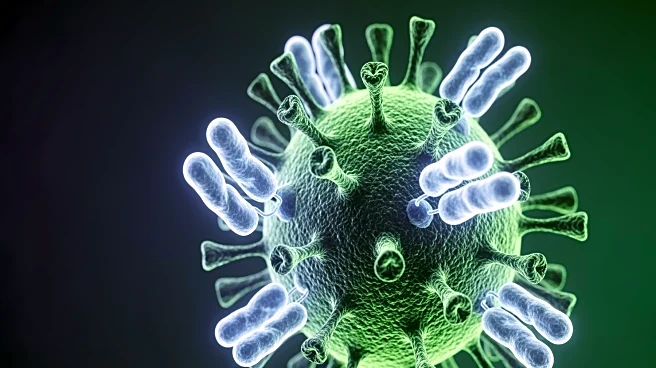
Research conducted in Managua, Nicaragua, has shown that anti-neuraminidase (NA) and anti-HA stalk antibodies play a significant role in reducing the susceptibility to and infectivity of the influenza
A/H3N2 virus. The study utilized data from two household transmission studies, focusing on the correlation between antibody responses and protection against infection. The findings indicate that while pre-existing antibodies are crucial for reducing susceptibility, only specific antibodies are associated with decreased infectivity in household settings.
Why It's Important?
Understanding the role of specific antibodies in influenza transmission can inform public health strategies and vaccine development. By identifying which antibodies contribute to reduced infectivity, health authorities can tailor vaccination programs to enhance immunity against influenza strains. This research also highlights the importance of monitoring antibody levels in populations to predict and control influenza outbreaks more effectively.
What's Next?
Further research is needed to explore the mechanisms by which these antibodies reduce infectivity and to assess their effectiveness across different influenza strains. Public health agencies may consider incorporating these findings into future vaccine formulations and distribution strategies. Additionally, ongoing studies could provide insights into the development of universal vaccines that offer broader protection against various influenza viruses.