










What's Happening?
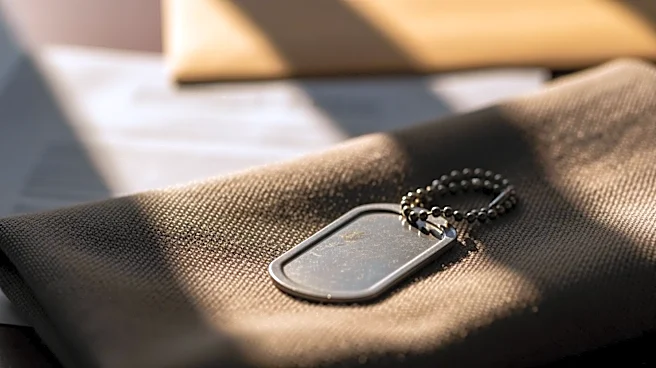
Retired U.S. Army staff sergeant Wilmer Trujillo is fighting to prevent the deportation of his wife, Arelys Barahona-Martinez, a native of Honduras. Barahona-Martinez was detained by Immigration and Customs Enforcement (ICE) during a routine check-in
in Dallas, Texas. Despite having no criminal record, she faces deportation due to a previous order from 2005. Barahona-Martinez entered the U.S. illegally twice, first in 2005 and again in 2018. Her detention is part of a broader enforcement campaign under President Trump's administration, which prioritizes the arrest of individuals with deportation orders. Trujillo, who served in the U.S. Army and Texas National Guard, is appealing for her release, citing the impact on their family, including Barahona-Martinez's son, who requires medical attention for a genetic disorder.
Why It's Important?
This case highlights the ongoing tension between immigration enforcement policies and the personal lives of U.S. military families. The arrest of Barahona-Martinez underscores the challenges faced by families with mixed immigration status, particularly those connected to U.S. service members. The situation raises questions about the balance between national security and humanitarian considerations, especially for families with strong ties to the U.S. The outcome of this case could influence public opinion and policy regarding the treatment of military families in immigration enforcement, potentially affecting future legislative or executive actions.
What's Next?
Barahona-Martinez may seek to reopen her deportation case and apply for permanent residency through a program designed to protect military families. However, her release from detention remains uncertain under current ICE policies. The case could prompt further debate on immigration reform, particularly concerning the treatment of military families. Advocacy groups and legal representatives may increase pressure on ICE and lawmakers to reconsider policies affecting families like Trujillo's. The decision in this case could set a precedent for similar situations, impacting how immigration laws are applied to military families in the future.