










What's Happening?
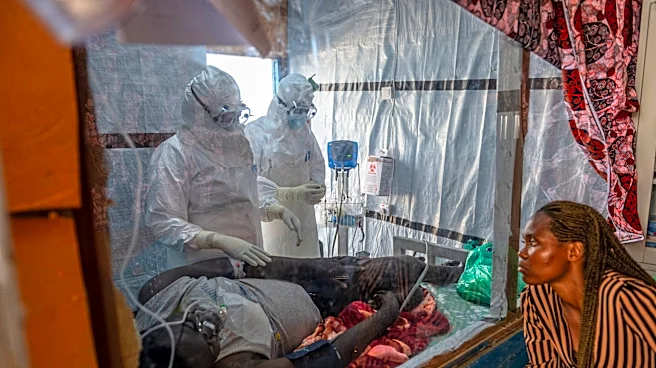
Three cases of the Chikungunya virus have been confirmed in Latvia, according to the Centre for Disease Prevention and Control (SPKC). Two of these cases were within the same family, while the third is unrelated. The World Health Organization states that
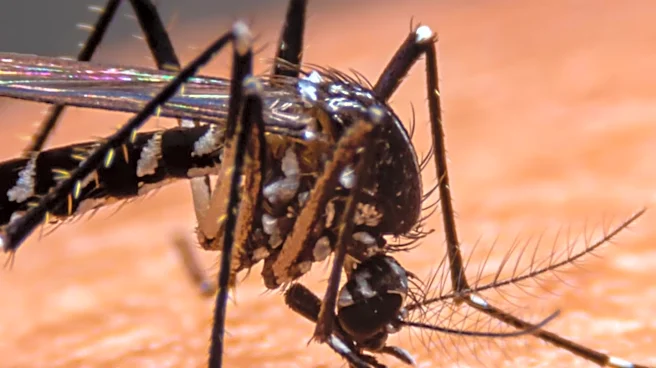
Chikungunya is transmitted to humans by infected mosquitoes, with outbreaks primarily in the Americas, Asia, and Africa, and occasionally in Europe. The virus causes fever and severe joint pain, which can be debilitating. All three Latvian patients had traveled to the Seychelles during the incubation period, indicating a high risk of infection for travelers to this region. The virus has been spreading in the Indian Ocean islands, with significant outbreaks reported in Mauritius, the Comoros, and the French territories of Réunion Island and Mayotte.
Why It's Important?
The confirmation of Chikungunya cases in Latvia underscores the ongoing risk of mosquito-borne diseases for international travelers. The spread of the virus in popular tourist destinations like the Seychelles poses a significant public health challenge, as travelers can inadvertently bring the virus back to their home countries, potentially leading to local outbreaks. This situation highlights the importance of preventive measures for travelers, such as using mosquito repellent and wearing protective clothing. The increase in cases also emphasizes the need for global health organizations to monitor and respond to emerging infectious diseases, which can have widespread implications for public health and travel safety.
What's Next?
Travelers to regions with known Chikungunya activity, such as the Seychelles, are advised to take precautions to prevent mosquito bites. Health authorities may increase surveillance and public awareness campaigns to mitigate the risk of further spread. Additionally, research into vaccines and treatments for Chikungunya could be prioritized to provide better protection against the virus. The situation may also prompt discussions on international health regulations and the need for coordinated responses to emerging infectious diseases.