







What's Happening?
The food and agriculture sectors are pivotal to the U.S. economy, supporting nearly 49 million jobs and generating $10.4 trillion in economic output, which accounts for about one-fifth of the nation's total production. The 2026 Feeding the Economy report
highlights the extensive impact of these sectors, which extend beyond farming to include food manufacturing, transportation, and retail. Direct farm employment is relatively small, but the broader industry supports a significant portion of the U.S. workforce. The sectors also contribute over $3 trillion in wages, underscoring their importance to national economic stability.
Why It's Important?
The food and agriculture sectors are integral to the U.S. economy, not only for their direct contributions but also for their role in sustaining related industries. These sectors provide essential jobs and wages, supporting economic stability and growth. The report emphasizes the need to maintain domestic production to ensure that the economic benefits remain within the U.S. However, challenges such as high labor costs and global competition threaten this stability. Addressing these issues is crucial to preserving the economic engine that supports a significant portion of the U.S. workforce and output.
Beyond the Headlines
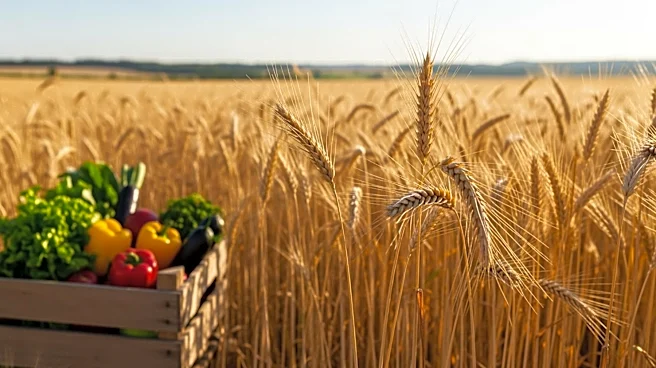
The decline in domestic vegetable and fruit production highlights the challenges facing the U.S. agriculture sector. As production shifts abroad, the associated economic benefits, including jobs and tax revenue, risk moving outside U.S. borders. This trend raises concerns about food security and the long-term sustainability of the U.S. agricultural economy. Policymakers and industry leaders must address these challenges to ensure that the economic engine of food and agriculture remains robust and rooted in the United States.