









What's Happening?
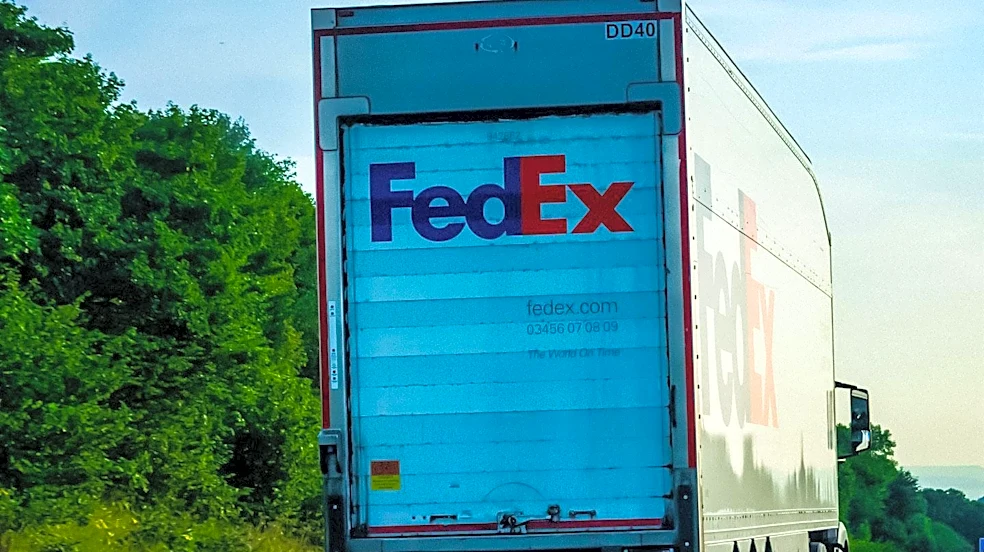
Thieves have stolen an estimated $963,000 worth of sports, Pokémon, and other trading cards from a FedEx truck in Santa Ana, California. The theft, reported by Santa Ana police spokesperson Natalie Garcia, involved two pallets of cards and a third that
was 'disrupted.' The incident was reported by Professional Sports Authenticator (PSA), a company that authenticates and grades trading cards. PSA has deactivated the certificates for the stolen items and notified marketplace partners to watch for the rare and serialized cards. One victim, known as Sky-B, reported losing 104 cards he had accumulated over two years, which were insured for $156,000, a figure he believes is below their market value. PSA has stated it will return grading fees and the fair market value of the affected cards. FedEx is cooperating with local law enforcement in the ongoing investigation, emphasizing the security of customer shipments as a top priority. No arrests have been made, and the stolen goods have not been recovered.
Why It's Important?
This theft highlights significant vulnerabilities in the high-value collectibles market and the logistics chain. The substantial monetary loss, approaching $1 million, underscores the increasing value and appeal of trading cards as investment assets, attracting criminal activity. For collectors and businesses like Professional Sports Authenticator, such incidents can lead to considerable financial and reputational damage. The deactivation of certificates by PSA is a crucial step to mitigate the resale of stolen items, but it also indicates the potential for these items to enter illicit markets. The incident raises questions about the security protocols for transporting high-value goods, particularly given a previous incident in 2024 where $2.1 million worth of vintage baseball cards were stolen from a FedEx shipment. This event could prompt a reevaluation of insurance policies, security measures, and tracking capabilities for valuable shipments, potentially leading to increased costs for both shipping companies and customers.
What's Next?
The Santa Ana police investigation is ongoing, with authorities actively working to identify suspects and recover the stolen trading cards. Law enforcement will likely continue to collaborate with FedEx and Professional Sports Authenticator to trace the items and gather evidence. PSA's notification to marketplace partners means that the trading card community will be on alert for the stolen items, potentially making it difficult for thieves to sell them through legitimate channels. Victims like Sky-B will be working with PSA to receive compensation for their losses, including returned grading fees and the fair market value of the cards. This incident may lead to enhanced security measures by FedEx and other shipping companies for high-value shipments, possibly involving more secure transportation methods, advanced tracking, or increased insurance requirements. The trading card market may also see a heightened focus on provenance and authentication to prevent the circulation of stolen goods.
Beyond the Headlines
The theft of nearly $1 million in trading cards from a FedEx truck points to a broader trend of collectibles, including sports and Pokémon cards, becoming significant targets for organized crime. The burgeoning market for these items, driven by nostalgia, investment potential, and cultural phenomena, has transformed them from hobby items into valuable assets. This shift brings with it challenges typically associated with high-value commodities, such as theft, counterfeiting, and illicit trade. The incident also highlights the ethical responsibility of marketplaces and authentication services to prevent the sale of stolen goods, reinforcing the need for robust tracking and verification systems. The emotional and financial toll on collectors, who often invest years and significant resources into their collections, underscores the personal impact of such crimes. This event could catalyze discussions within the collectibles community and the logistics industry about collective strategies to safeguard these increasingly valuable cultural artifacts.