







What's Happening?
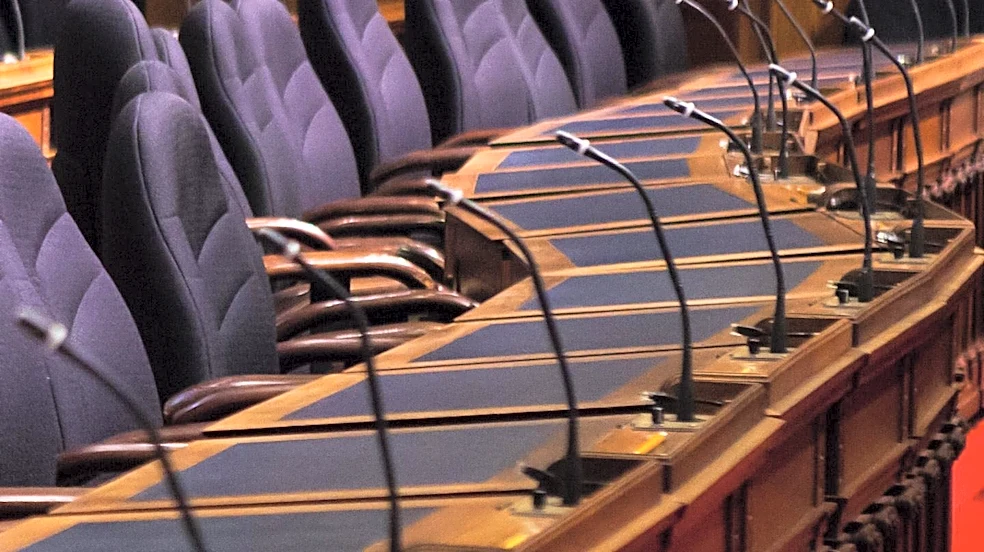
New Mexico State Rep. Anita Gonzales (D-Las Vegas) has questioned insurance industry leaders regarding the unprecedented rate of homeowners' insurance policy non-renewals in the state. Her district, House District 70, includes areas heavily impacted by
the 2022 Hermits Peak-Calf Canyon Fire. According to the state's Office of the Superintendent of Insurance, national insurers opted not to renew over 6,200 homeowners' policies in New Mexico in 2025, marking the highest annual number in state history and nearly tripling the non-renewals since 2021. Julie A. Rochman, a former CEO of an insurance industry research organization, explained that insurers are backing away from high-risk properties due to global economic forces, including rising construction costs for fire-damaged properties and increased premiums from global reinsurance companies. Federal regulations also limit how insurers can invest premium dollars, reducing funds available for widespread losses.
Why It's Important?
This issue is critically important for New Mexico residents, particularly those in wildfire-prone areas, as the increasing rate of non-renewals threatens their ability to rebuild and secure their homes. The withdrawal of national insurers from high-risk markets creates a significant gap in coverage, potentially leaving homeowners vulnerable and hindering economic recovery in affected communities. For the broader U.S. insurance industry, this situation highlights the growing challenges posed by climate change and natural disasters, forcing insurers to re-evaluate risk models and coverage availability. It also underscores the tension between insurers' financial viability and their role in providing essential protection to homeowners, especially in states facing escalating environmental risks.
What's Next?
Rep. Gonzales urged insurance companies to find a 'middle ground' to address the troubling increase in non-renewals. Julie A. Rochman, who also chairs the state's Fair Access to Insurance Requirement (FAIR) Plan board, emphasized the importance of homeowners' 'sweat equity' in mitigating wildfire risk, such as creating defensible spaces around homes. In 2025, the Legislature allocated $10 million to the Office of the Superintendent of Insurance to help homeowners with FAIR Plan coverage implement wildfire mitigation measures. Future discussions will likely focus on legislative solutions, increased funding for mitigation efforts, and potential partnerships between state agencies, communities, and the insurance industry to ensure continued access to affordable homeowners' insurance in high-risk areas.
Beyond the Headlines
The situation in New Mexico reflects a national trend where climate change is increasingly impacting the insurance market, leading to higher premiums, reduced coverage, and non-renewals in areas vulnerable to natural disasters. This raises profound questions about the long-term sustainability of traditional insurance models in the face of escalating environmental risks. It also highlights the socio-economic implications for communities that are disproportionately affected, potentially leading to displacement and economic hardship. The emphasis on homeowner mitigation efforts, while crucial, also places a significant burden on individuals. This scenario calls for a multi-faceted approach involving government subsidies, innovative insurance products, and comprehensive climate adaptation strategies to protect vulnerable populations and ensure the stability of the housing market in affected regions.