







What's Happening?
The U.S. military is projected to need at least three years to replenish its stockpiles of advanced weapons systems heavily utilized during the Iran war, according to a new analysis by the Center for Strategic and International Studies (CSIS). The weapons in question
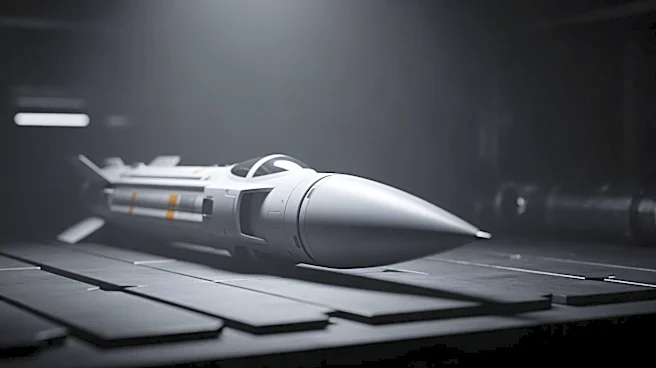
include Tomahawk cruise missiles, Patriot, and THAAD interceptors. The analysis highlights concerns about the U.S. military's readiness for potential future conflicts, particularly with China. The report notes that the current production rates are insufficient, with fewer than 200 Tomahawks produced annually. Raytheon, the manufacturer, aims to increase production to over 1,000 per year. The replenishment of THAAD and Patriot interceptors is expected to extend until 2029. The analysis underscores the challenges posed by complex supply chains and the need for increased production capacity.
Why It's Important?
The depletion of advanced weapons stockpiles poses a significant strategic vulnerability for the U.S. military, particularly in the context of potential conflicts in the Western Pacific. The analysis suggests that while financial resources are available, the time required to rebuild these inventories is a critical concern. The situation underscores the importance of maintaining robust defense manufacturing capabilities and highlights the potential risks of prolonged military engagements. The report also points to the broader implications for U.S. defense policy and military readiness, emphasizing the need for strategic planning and investment in defense infrastructure.
What's Next?
The U.S. military and defense contractors are expected to focus on ramping up production capacities to address the shortfall in advanced weapons stockpiles. This will involve significant investments in manufacturing facilities and supply chain enhancements. The timeline for replenishing these stockpiles will be closely monitored by military strategists and policymakers, with potential adjustments to defense budgets and procurement strategies. The situation may also prompt discussions on the allocation of resources and prioritization of defense capabilities in light of emerging global threats.