
What's Happening?
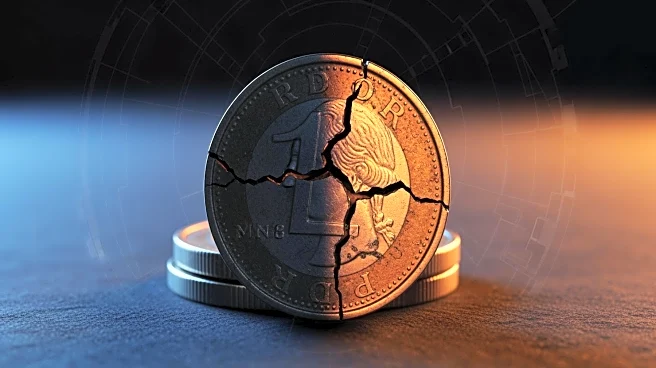
Iran's currency, the rial, has reached a new low, trading at over 1.3 million to the U.S. dollar. This decline follows a period of economic strain exacerbated by international sanctions and regional tensions.
The rial's depreciation is contributing to inflationary pressures, particularly affecting food prices and household budgets. The situation is further complicated by recent changes in gasoline pricing, which could intensify inflation. Efforts to revive nuclear negotiations between Washington and Tehran have stalled, adding to the uncertainty. The rial's fall is linked to the U.S. withdrawal from the nuclear deal in 2018 and subsequent sanctions, including those reimposed by the United Nations in September.
Why It's Important?
The plummeting value of the rial is significant as it highlights the economic challenges Iran faces under international sanctions. The currency's decline is likely to exacerbate inflation, making essential goods more expensive and straining the Iranian populace. This economic instability could lead to increased domestic unrest and complicate diplomatic efforts. The stalled nuclear negotiations and the potential for renewed conflict involving the U.S. add to the geopolitical tension. The situation underscores the broader impact of international sanctions on Iran's economy and the potential for further regional instability.
What's Next?
If the rial continues to fall, Iran may face heightened economic challenges, potentially leading to more significant public discontent. The Iranian government might seek alternative economic partnerships or attempt to stabilize the currency through domestic measures. Internationally, the stalled nuclear negotiations could prompt further diplomatic efforts or increased sanctions. The U.S. and its allies may continue to exert pressure on Iran, while Iran might explore new strategies to mitigate the impact of sanctions. The situation remains fluid, with potential implications for regional security and global diplomatic relations.