





What's Happening?
President Donald Trump has announced that Iran has agreed to suspend its nuclear program indefinitely, as part of ongoing negotiations to end the conflict that began in late February between the US, Israel, and Iran. Trump stated that most of the main
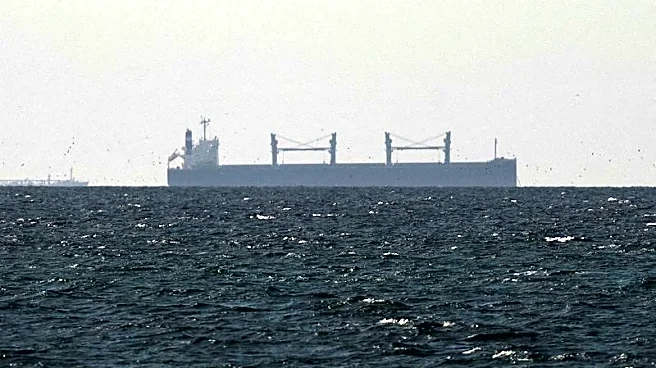
points of the deal are finalized, with talks over a lasting agreement expected to occur soon. The announcement has led to a significant drop in oil, fuel, and natural gas prices, as hopes rise for safer energy transit through the Strait of Hormuz. Despite the progress, Iran has not commented on the deal beyond the opening of the Strait of Hormuz, nor on the concessions claimed by Trump. The situation remains uncertain, with Iran threatening to close the strait again if the US blockade persists.
Why It's Important?
The suspension of Iran's nuclear program is a significant development in international relations, potentially easing tensions in the Middle East and impacting global energy markets. The opening of the Strait of Hormuz is crucial, as it is a vital passage for about a fifth of the world's oil and liquefied natural gas. The conflict had previously led to a global energy crisis, with fears of a worldwide economic slowdown and inflation. The resolution of this issue could stabilize energy prices and supply, benefiting economies worldwide. However, the uncertainty surrounding the US blockade and Iran's control over the strait poses risks to the long-term stability of energy flows.
What's Next?
Negotiations are expected to continue, with President Trump considering sending a delegation to Iran for further talks. The US blockade on vessels transiting to and from Iranian ports remains in place until a broader deal is fully agreed upon. Iran has indicated it will close the strait again if the blockade persists, which could disrupt energy supplies and impact global markets. The outcome of these negotiations will be closely watched by international stakeholders, including traders and analysts, who remain skeptical about the resumption of meaningful and quick energy flows.
Beyond the Headlines
The broader implications of this development include potential shifts in geopolitical alliances and power dynamics in the Middle East. The suspension of Iran's nuclear program could lead to changes in regional security policies and influence the strategies of other countries in the area. Additionally, the economic impact of stabilized energy prices could affect global markets, influencing inflation rates and economic growth. The situation also raises questions about the long-term sustainability of energy transit through the Strait of Hormuz and the role of international diplomacy in resolving such conflicts.