



What's Happening?
Focus Environmental Consultants, an environmental consultancy based in Hallow, has developed a new bat monitoring technology with the support of an Innovation Worcestershire grant. The company, which specializes in ecological and arboricultural reports,
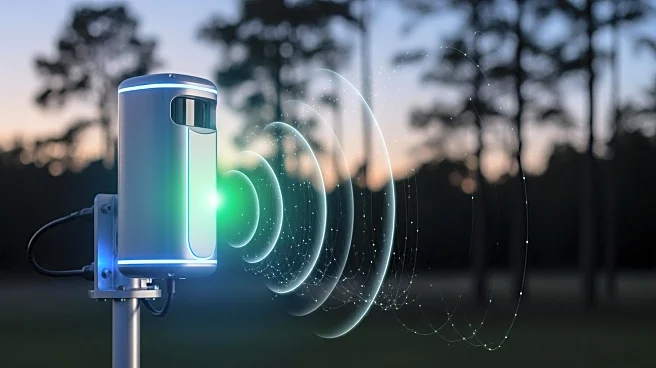
identified a need to innovate its approach to nocturnal wildlife surveys, particularly for bats. The new system utilizes an automated thermal camera for long-term, real-time monitoring of bat activity. This technology, developed in collaboration with a specialist software engineer, can be mounted on trees or tripods to safely record bats emerging from roost sites over extended periods. The system aims to improve data capture while reducing the number of surveyors needed on site. Currently undergoing field testing, the technology is expected to enhance ecological evidence gathering and support conservation and planning requirements.
Why It's Important?
The development of this bat monitoring technology is significant for both ecological conservation and urban planning. By enabling continuous, low-disturbance monitoring, the system provides more accurate data on bat activity, which is crucial for understanding and protecting these nocturnal creatures. This innovation not only supports conservation efforts but also aids in meeting planning requirements, as accurate wildlife data is often necessary for development projects. The technology reduces the need for human surveyors, potentially lowering costs and minimizing human impact on wildlife habitats. Additionally, the support from Worcestershire Growth Hub and the investment in staff training highlight the broader economic and employment benefits, contributing to local business growth and workforce development.
What's Next?
The next steps for Focus Environmental Consultants involve completing the field testing of the bat monitoring system to ensure its effectiveness and reliability. Once validated, the technology could be rolled out more widely, potentially setting a new standard for wildlife monitoring in ecological and urban planning sectors. The company may also explore further innovations in wildlife monitoring and expand its use of night-vision and infrared survey equipment. As the system gains traction, it could attract interest from other environmental consultancies and conservation organizations, leading to potential collaborations or partnerships.