




What's Happening?
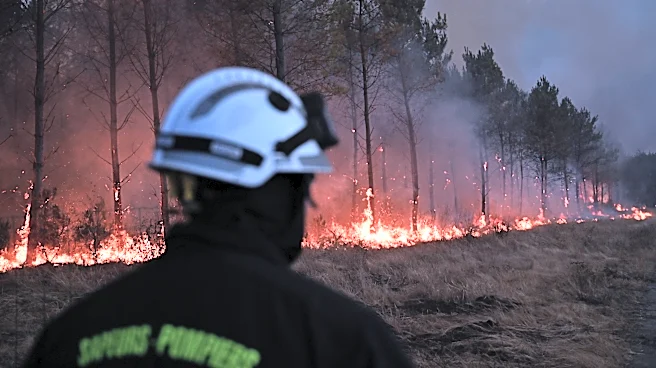
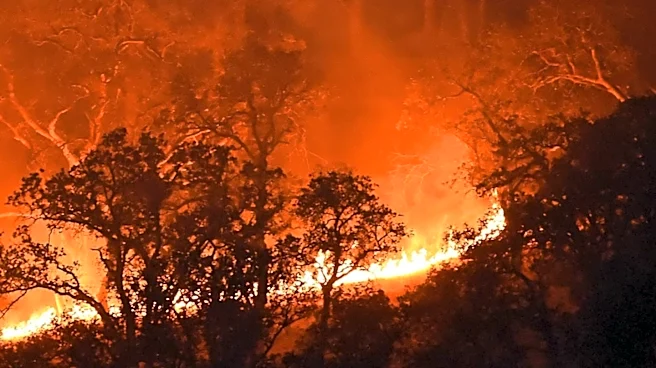
A significant fire, named the Canyon Road Fire, erupted in a Logan neighborhood near Utah State University, leading to the evacuation of approximately 100 homes. The fire, which burned around 40 acres, affected the Island neighborhoods and resulted in several
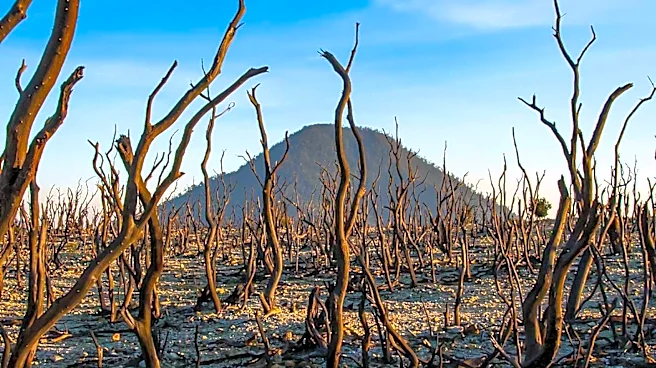
vehicles being engulfed in flames. Although the cause of the fire remains unknown, an investigation is underway. As of the latest updates, evacuation orders have been lifted for residents south of Canyon Road, but remain in place for those from Canyon Road up to US 89 and 1100 East to 1600 East. Shelters were initially set up at Green Canyon High School and a local church to accommodate displaced residents, but these have since closed as most evacuation orders were lifted. The fire, fueled by windy conditions, left behind charred grounds and spotty fires, although the major flames have been extinguished.
Why It's Important?
The Canyon Road Fire highlights the vulnerability of residential areas to sudden and severe fire outbreaks, especially in regions prone to dry and windy conditions. The evacuation of residents underscores the potential for significant disruption to community life and the need for effective emergency response systems. This incident also raises concerns about the safety of properties and the potential for loss of life, emphasizing the importance of fire prevention measures and community preparedness. The fire's proximity to Utah State University adds an additional layer of concern, as it could impact the university community and operations. The event serves as a reminder of the broader challenges posed by natural disasters and the necessity for robust infrastructure and planning to mitigate such risks.
What's Next?
Fire officials are expected to reevaluate the remaining evacuation orders at 4:00 p.m. as they continue to monitor the situation. The investigation into the cause of the fire will likely provide insights into preventive measures that can be implemented to avoid future incidents. Local authorities and emergency services may review and update their response strategies to enhance preparedness for similar events. Community meetings and discussions may be organized to address residents' concerns and to plan for improved safety protocols. Additionally, there may be calls for increased funding and resources for fire prevention and emergency response initiatives in the region.