





What's Happening?
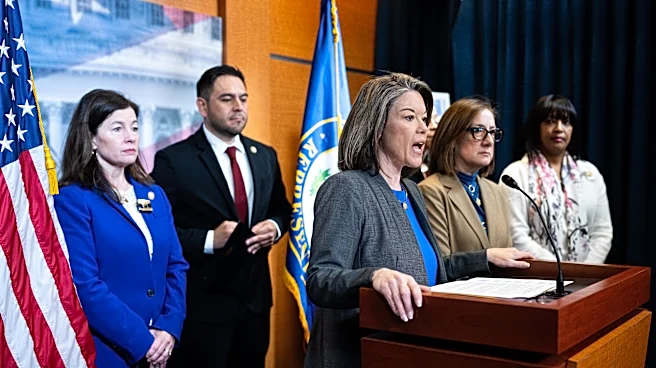
Colorado residents will soon have increased opportunities to generate their own electricity through affordable plug-in solar systems, following the signing of House Bill 26-1007 into law by Governor Jared Polis on May 7, 2026. This legislation, titled
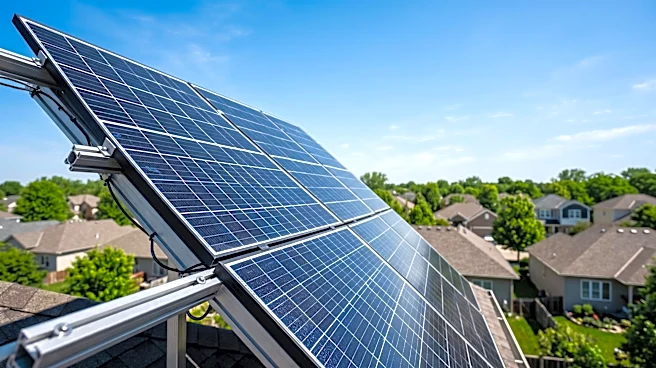
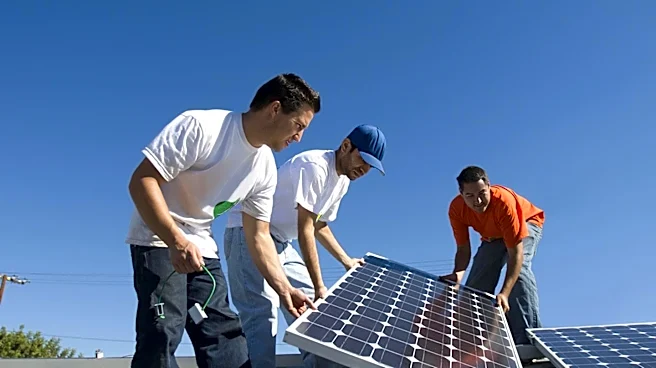
'Improve Customer Use of Distributed Energy Resources,' establishes new protections for portable-scale solar generation devices, including compact systems suitable for balconies, patios, and yards. The law, which became effective on August 12, with additional consumer protections and equipment requirements taking effect on January 1, 2027, allows for systems supplying no more than 1,920 watts to the electric grid, with only one qualifying system permitted per address. Electric providers are prohibited from requiring advance approval or imposing device-related fees for these systems, though they may request notification of the device and its generating capacity.
Why It's Important?
This new Colorado law significantly lowers the barrier to entry for individuals and households seeking to adopt solar energy, particularly for renters and those in properties governed by homeowners associations who previously faced restrictions on traditional rooftop installations. By making portable solar systems more accessible and affordable, the legislation aims to democratize clean energy generation, allowing more Coloradans to offset their power consumption and reduce electricity bills. This initiative aligns with broader national efforts to promote renewable energy and reduce reliance on conventional utility services. The consumer protections and equipment requirements, such as UL-labeling for systems over 391 watts and safeguards against energizing the grid during outages, are crucial for ensuring safety and reliability, fostering greater public confidence in distributed energy resources.
What's Next?
Beginning January 1, 2027, unreasonable prohibitions on qualifying portable solar devices by property owners and homeowners associations will become unenforceable, further expanding access. Additionally, by December 31, 2026, Colorado’s Public Utilities Commission must revise rules concerning meter collar adapters, which facilitate connections between electrical systems and customer-owned energy resources. In anticipation of these changes, Solar Access Colorado, a new nonprofit, has begun accepting preorders for plug-in solar kits, with single-panel systems starting at $499. The organization estimates that customers could recover their initial investment through electricity savings in approximately four years. Residents considering portable solar are advised to verify equipment safety standards and consult their electric provider regarding notification requirements before installation.
Beyond the Headlines
The introduction of this law in Colorado represents a significant step towards a more decentralized and resilient energy grid, empowering individual consumers to become active participants in energy production. This shift could lead to a reduction in overall energy demand from centralized power plants and foster innovation in small-scale renewable energy technologies. The legal provisions addressing homeowners associations and property owners also highlight a growing trend of states intervening to remove barriers to renewable energy adoption, reflecting a societal move towards sustainability. Over the long term, widespread adoption of such systems could contribute to a more stable energy supply, reduce carbon emissions, and potentially influence energy policy at a national level, as other states may look to Colorado's model for expanding clean energy access.