




What's Happening?
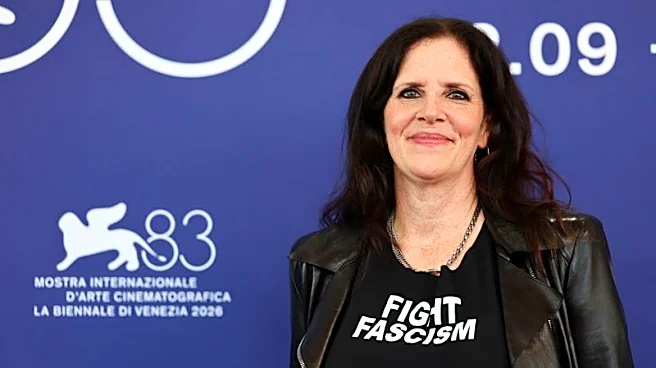
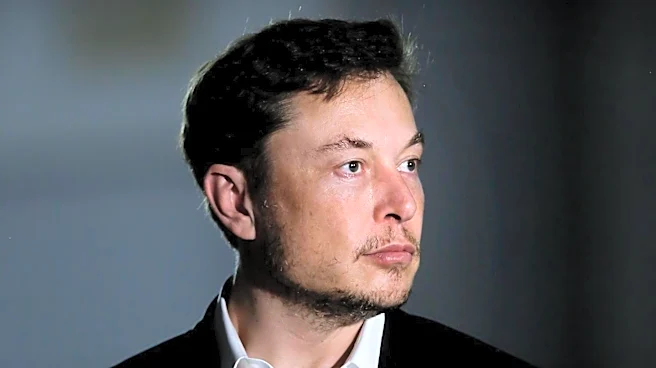
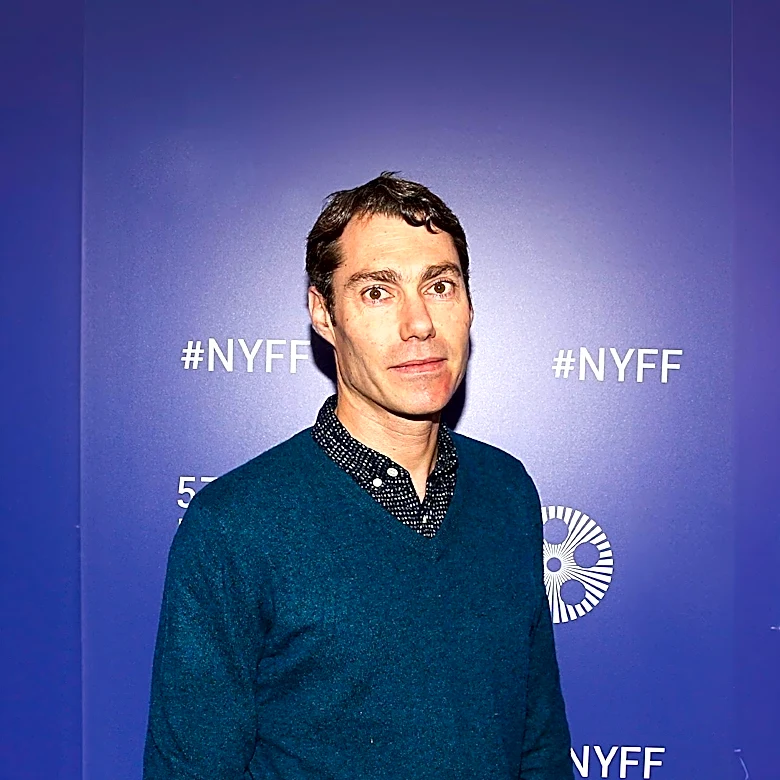
Documentarian Alex Gibney's new film, 'Musk,' premiering at the Venice Film Festival, delves into the extensive power and influence of Elon Musk. Gibney, known for his films on powerful figures and corporations, asserts that nothing compares to the scope
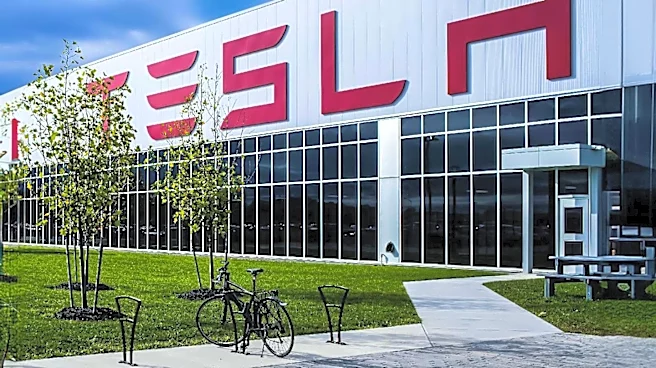
of Musk's power. The nearly four-hour documentary aims to upend the 'Musk myth' and explore the reasons behind his shift towards supporting President Trump. Gibney suggests that Musk's genius lies in 'stock pumping' and his ability to confidently speak about the future, often without factual basis, to attract investment. The film also investigates two key motivators for Musk's political alignment: the pursuit of federal government funding and the numerous federal investigations his companies, including Tesla, were facing. Gibney notes that there was a significant chance Musk could have faced imprisonment under a Kamala Harris administration, a possibility Musk himself joked about on the Tucker Carlson show. These factors, according to Gibney, were crucial in understanding Musk's political transition, rather than the commonly cited 'woke mind virus.'
Why It's Important?
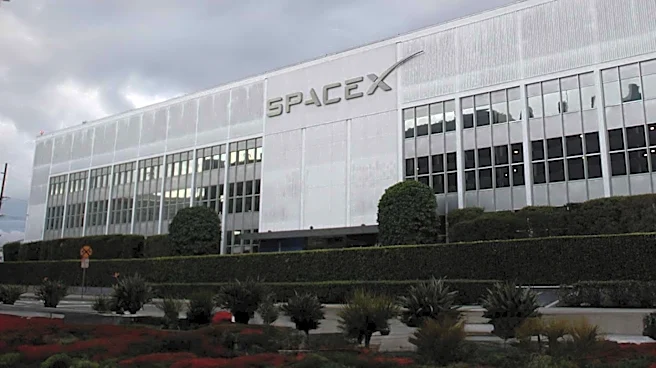
This documentary is important because it offers a critical examination of one of the most influential figures in contemporary U.S. business and technology. By scrutinizing Elon Musk's power and motivations, the film could reshape public perception of his business practices and political leanings. The exploration of federal investigations and potential legal consequences as drivers for his political shift highlights the intersection of corporate interests and national politics. This could influence how the public views the relationship between powerful business leaders and government oversight. Furthermore, the film's assertion that Musk's 'genius is stock pumping' rather than invention could impact investor confidence and regulatory scrutiny of his companies, Tesla and SpaceX. The documentary's focus on 'noble cause corruption' also raises broader questions about ethical leadership in the pursuit of ambitious goals, potentially sparking discussions about accountability for powerful individuals in the U.S. and their impact on society and the economy.
What's Next?
The premiere of 'Musk' at the Venice Film Festival and its subsequent theatrical release in October by Bleecker Street are likely to generate significant public discussion and media coverage. The film's critical perspective on Elon Musk could provoke reactions from Musk himself, his supporters, and his critics, potentially leading to further public debate about his influence and business practices. Regulatory bodies and government officials might also take renewed interest in the federal investigations mentioned in the documentary, especially concerning Tesla. The film's narrative could also influence how investors and the public perceive the long-term viability and ethical standing of Musk's ventures. Additionally, the documentary's exploration of the motivations behind a prominent business leader's political alignment could set a precedent for future examinations of the interplay between corporate power and U.S. politics, potentially encouraging more in-depth reporting and analysis on similar figures.
Beyond the Headlines
Beyond the immediate impact, 'Musk' delves into deeper implications regarding the nature of 21st-century power and the ethical challenges faced by influential figures. Gibney's comparison of Musk to figures like those at Enron and Elizabeth Holmes, in terms of bending the truth, suggests a recurring pattern of 'noble cause corruption' where grand visions justify questionable actions. This raises fundamental questions about the accountability of leaders who operate with immense public trust and capital. The film also highlights the chilling effect of such power, as individuals close to Musk were reportedly afraid to speak on the record, underscoring concerns about free speech and corporate influence. This dynamic could contribute to a broader societal conversation about the balance between innovation, ambition, and ethical conduct in the U.S. business landscape, potentially influencing future corporate governance and public discourse on powerful individuals.