





What's Happening?
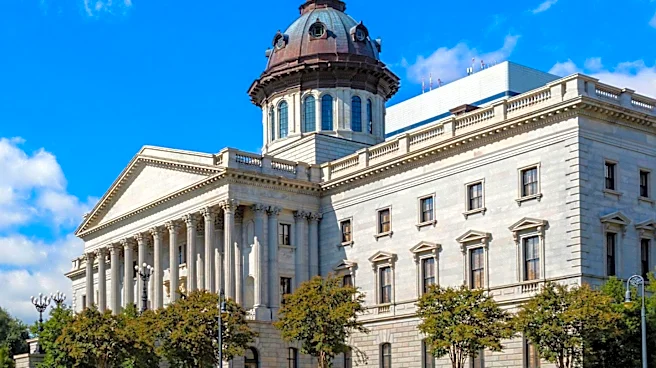
South Carolina Governor Henry McMaster has announced 14 vetoes to portions of the state's newly passed budget. The budget, which lawmakers approved last week after weeks of negotiations, was delayed since the beginning of July. Eight of the vetoes specifically
targeted the state's education department, with Governor McMaster stating that several programs and acts were either obsolete or already established through permanent legislation. Among the significant vetoes, Governor McMaster struck down a paragraph that would have exempted the Office of Resilience’s Flood Planning and Warning Solution from standard AI review requirements, emphasizing that all state agencies procuring AI solutions must be reviewed by the AI Center of Excellence. He also vetoed a fund restriction related to Scout Motors, arguing that the state must promptly pay contractors for completed work, and rejected a proposal to forgive a $350,000 loan to the Town of Pacolet, citing concerns about setting a precedent for waiving state grant compliance terms.
Why It's Important?
Governor McMaster's vetoes are significant as they reflect his priorities and exert executive influence over legislative spending and policy. The removal of earmarks from the budget, a point of contention during negotiations, indicates a move towards more centralized control over state funds. The veto concerning AI review for the Office of Resilience highlights a broader commitment to standardized oversight of artificial intelligence implementation across state agencies, aiming for consistency and accountability in technological adoption. His decision to not forgive the Town of Pacolet's loan underscores a commitment to fiscal responsibility and maintaining the integrity of state grant programs. These actions will impact various sectors, from education to infrastructure and technology, shaping how state resources are allocated and managed in South Carolina.
What's Next?
Governor McMaster's vetoes will now return to the South Carolina General Assembly, which has the option to attempt an override. A successful override would require a two-thirds vote in both the House and Senate. The governor's veto letter, which he stated would be his last for a budget during his tenure, outlines his priorities for the budget, including income tax cuts, additional homestead exemptions, raising teacher pay, funding for a four-year-old kindergarten program, and promoting school choice. The legislature's response to these vetoes will determine the final shape of the state budget and could lead to further political negotiations or legislative battles. The outcome will also signal the balance of power between the executive and legislative branches in South Carolina.
Beyond the Headlines
The ongoing tension between the executive and legislative branches over budget allocations and policy decisions in South Carolina reflects a common dynamic in state governance. Governor McMaster's emphasis on fiscal discipline and standardized AI review points to a broader trend of states grappling with how to manage public funds effectively and integrate emerging technologies responsibly. The debate over earmarks and the forgiveness of loans also touches upon issues of local accountability versus state oversight. These budgetary decisions have long-term implications for the state's economic development, educational system, and technological infrastructure, influencing the quality of life for South Carolina residents and setting precedents for future governance.