





What's Happening?
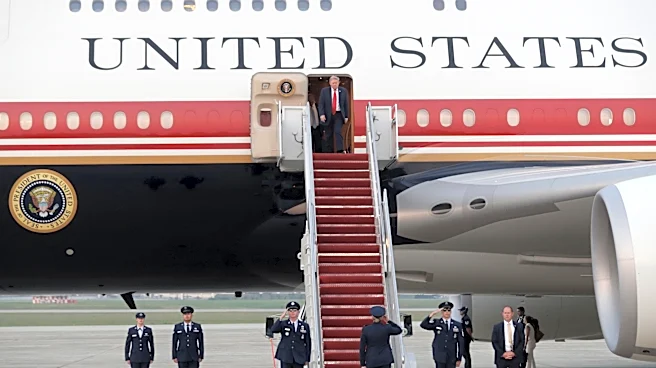
Conservationists are expressing concern over the potential risk to Colorado's national park units following President Trump's decision to significantly reduce the size of two major national monuments in Utah. The Bears Ears and Grand Staircase-Escalante
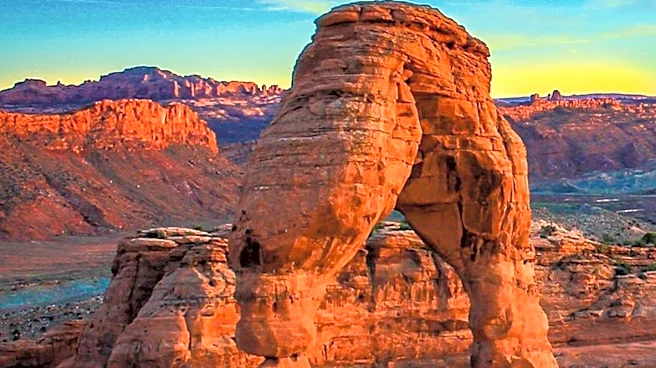
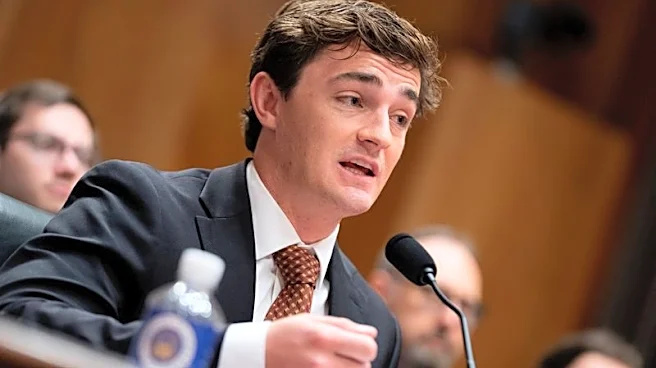
monuments were reduced by about 90%, a move facilitated by the Antiquities Act. This decision has sparked fears that similar actions could be taken in Colorado, where six of the 13 national park units were created under the same law. Tracy Coppola, a senior program manager for the National Parks Conservation Association, emphasized the potential threat to Colorado's parks, noting that the reductions in Utah could set a precedent. The monuments in question contain significant cultural and archaeological sites, and their reduction has been criticized as a betrayal to both the American public and the tribes that consider these lands sacred.
Why It's Important?
The reduction of national monuments in Utah by President Trump has broader implications for public lands across the United States. This action prioritizes commercial interests, such as mining and drilling, over conservation efforts. The decision has been met with backlash from conservationists and tribal nations, who view it as a threat to cultural heritage and environmental protection. The move could lead to increased pressure on other protected areas, potentially opening them up to similar reductions. This shift in policy highlights a significant change in federal land management priorities, which could have lasting impacts on conservation efforts and the preservation of cultural sites.
What's Next?
The National Parks Conservation Association plans to challenge the reductions in court and increase lobbying efforts in Congress. Conservationists are urging the public to engage with elected officials and advocate for the protection of national parks and monuments. The outcome of these legal and political efforts could influence future decisions regarding public land management and conservation policies. Additionally, the response from the public and stakeholders will be crucial in shaping the discourse around the preservation of national monuments and the balance between commercial interests and environmental protection.