




What's Happening?
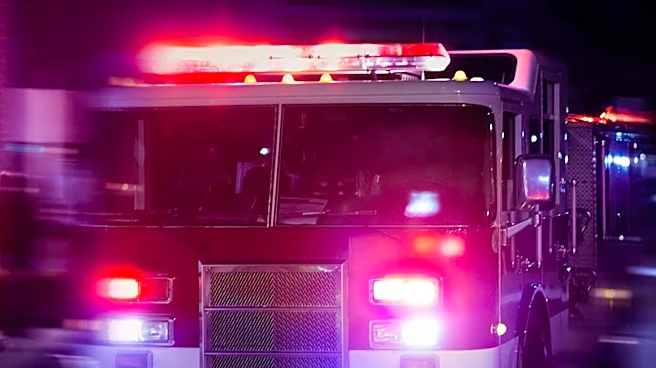
The Rosemount Fire Department in Dakota County, Minnesota, is set to hire nine additional firefighters following the allocation of a nearly $2.3 million federal grant. This funding was secured through the Federal Emergency Management Agency's (FEMA) Staffing
for Adequate Fire and Emergency Response (SAFER) program, with U.S. Representative Angie Craig providing a letter of support for the department's application. The city of Rosemount has experienced significant population growth, increasing by 72% since 2000, from 14,500 to over 25,000 residents. This growth has led to a substantial rise in emergency call volumes, with the department tallying approximately 1,000 calls in 2024, nearly 1,400 in 2025, and an anticipated 1,700 by the end of the current year. Despite this increased demand, the fire department's staffing levels have remained largely unchanged for the past two decades. The department currently operates with 44 active paid-on-call firefighters, three new hires, and three full-time staff members, including the fire chief, fire marshal, and an administrator. The SAFER program, authorized by Congress in 2003, aims to address staffing shortages that prevent fire departments from meeting industry standards for staffing and response times.
Why It's Important?
This federal grant is crucial for enhancing public safety and emergency response capabilities in Rosemount, a rapidly growing community. The significant increase in population and corresponding rise in emergency calls have placed considerable strain on the existing fire department, which has maintained static staffing levels for 20 years. The additional nine firefighters will help the department meet industry standards for response times and staffing, directly impacting the safety and well-being of residents. This investment underscores the federal government's commitment to supporting local emergency services, particularly in areas experiencing demographic shifts. For U.S. Representative Angie Craig, securing this funding highlights her advocacy for her constituents and local public safety initiatives. The SAFER program's role in addressing staffing shortages is vital for fire departments nationwide, ensuring they can effectively protect communities and their personnel. The grant also signifies a broader recognition of the challenges faced by volunteer and paid-on-call fire departments in keeping pace with urban and suburban expansion.
What's Next?
With the nearly $2.3 million federal grant secured, the Rosemount Fire Department will proceed with hiring nine additional firefighters. This expansion will likely involve recruitment, training, and integration of new personnel into the department's operations. The increased staffing is expected to improve response times and overall emergency service delivery, aligning the department more closely with industry standards. Furthermore, the city is already undertaking a $14 million remodel of one of its two fire stations to better support a 24/7 staffing model, indicating a long-term commitment to enhancing fire services. This infrastructure improvement, combined with the new hires, suggests a comprehensive strategy to address the demands of Rosemount's growing population. Other fire departments in the region, such as Lakeville, Shakopee, and Woodbury, have also received federal grants, indicating a broader trend of federal investment in local fire and emergency services across Minnesota.
Beyond the Headlines
The situation in Rosemount reflects a common challenge faced by many growing communities across the United States: how to scale essential public services, like fire and emergency response, to match rapid population expansion. The reliance on federal programs like SAFER highlights the financial pressures on local governments to maintain adequate public safety infrastructure. This grant not only provides immediate relief but also prompts a deeper conversation about sustainable funding models for emergency services in areas experiencing significant demographic shifts. The long-term implications include the potential for improved community resilience, reduced property damage, and enhanced public trust in local government's ability to protect its citizens. Moreover, the success of Representative Craig in securing this funding could serve as a model for other congressional representatives seeking to bolster their local emergency services, emphasizing the importance of federal-local partnerships in addressing critical community needs.