



What's Happening?
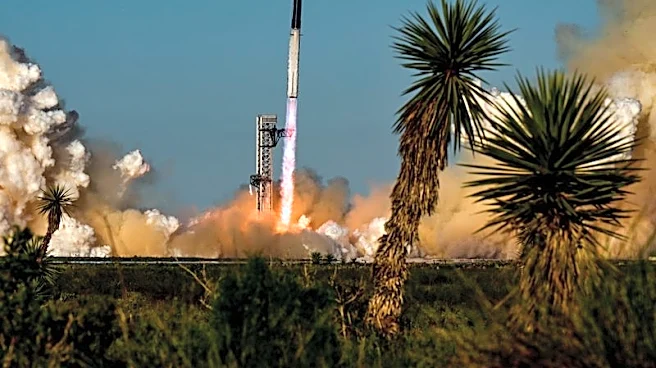
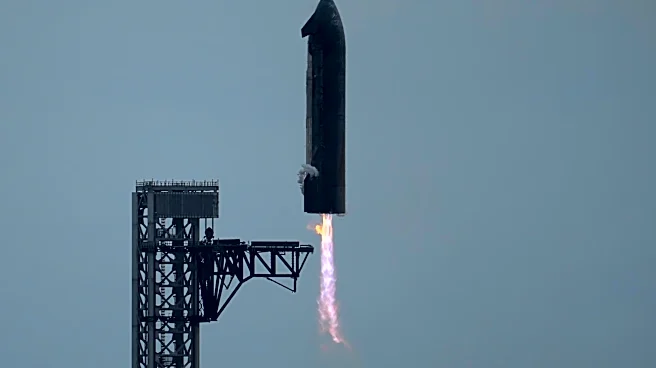
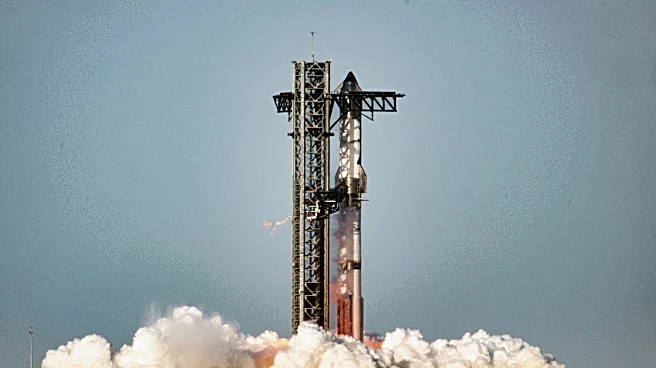
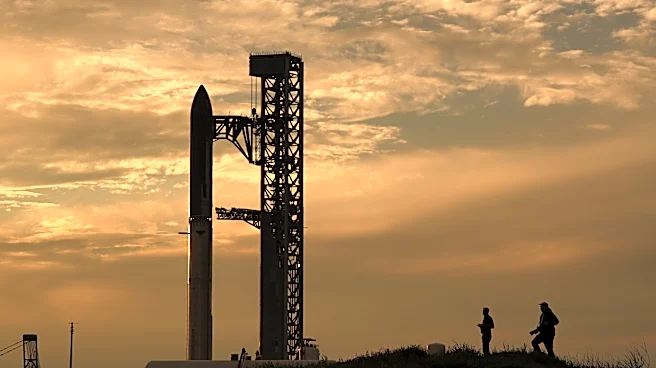
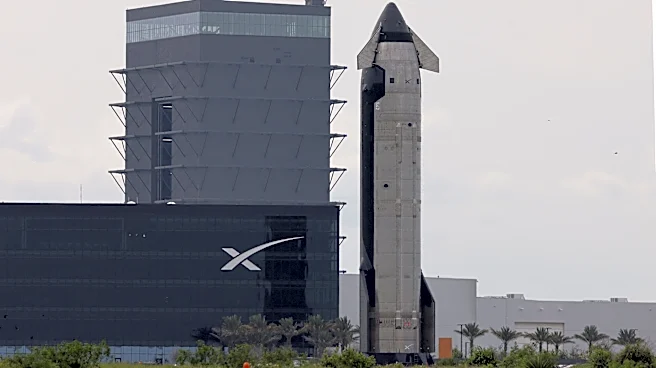
SpaceX's Starship Ship 42, the Block 3 upper stage from Flight 15, is attempting the first-ever recovery of an orbital Starship upper stage at Starbase. The 'go' decision for the catch attempt was made mid-mission, after Ship 42 completed approximately
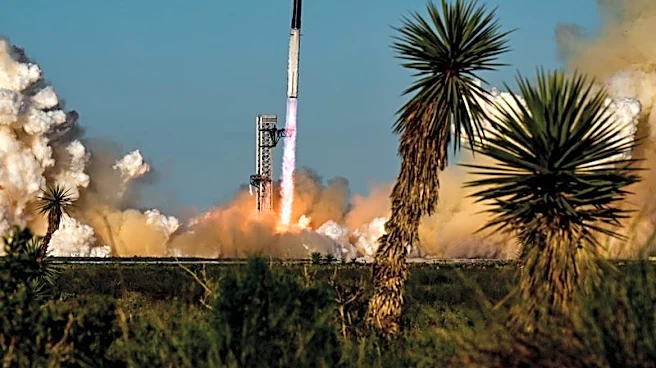
14 orbits over more than 22 hours, allowing flight controllers to thoroughly evaluate its systems. Prior to the recovery attempt, Ship 42 successfully deployed 26 Starlink V3 satellites into low Earth orbit at an altitude of approximately 275 km, making Flight 15 a dual-purpose mission combining operational payload delivery with hardware reusability development. The Super Heavy Booster 22, which was part of the same flight, failed its catch attempt due to a guidance, navigation, and control issue, resulting in an offshore splashdown in the Gulf of Mexico. This places all the historical significance of Flight 15 on Ship 42's successful recovery. Flight controllers assessed Ship 42's heat shield to be in good condition, which was crucial for proceeding with the extended 14-orbit profile and the subsequent re-entry and catch attempt. The catch window was scheduled for approximately 4:20 p.m. EST on November 14.
Why It's Important?
A successful catch of Ship 42 would be a monumental achievement for SpaceX, validating the core premise of Starship's design: full reusability of both stages of an orbital launch system. This capability is critical for significantly reducing the cost of space access and enabling ambitious future missions, including large-scale Starlink deployments, lunar missions, and eventual Mars colonization. The fact that Ship 42 already deployed Starlink satellites demonstrates SpaceX's strategy of integrating operational missions with developmental test flights, accelerating the path to full operational capability. The failure of the Super Heavy Booster 22 highlights the technical challenges involved in achieving full reusability, underscoring the complexity and high stakes of the Ship 42 recovery. If successful, this event would mark a major step towards routine, rapid, and cost-effective space launches, potentially revolutionizing the space industry and opening new possibilities for scientific research, commercial ventures, and national security applications in space.
What's Next?
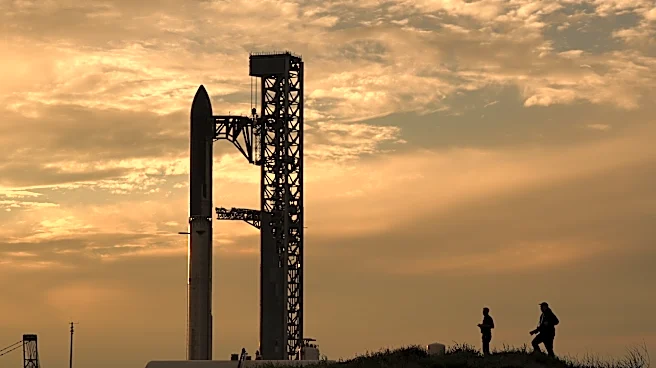
The immediate next step is the outcome of Ship 42's catch attempt by the mechazilla arms at Starbase. A successful grab would lead to detailed post-flight inspections and data analysis to further refine Starship's design and operational procedures for future flights. If the catch is unsuccessful, SpaceX will analyze the data to understand the failure points and implement necessary modifications for subsequent test flights. Regardless of the outcome, SpaceX will continue its iterative development process, with future Starship flights aiming to achieve consistent full-stack reusability. The company will also likely continue integrating payload deployments into these test missions to further prove the system's operational capabilities. The long-term goal remains to establish a reliable and frequent launch cadence for Starship, which is essential for expanding the Starlink constellation, supporting NASA's Artemis program, and advancing SpaceX's broader interplanetary ambitions.