


What's Happening?
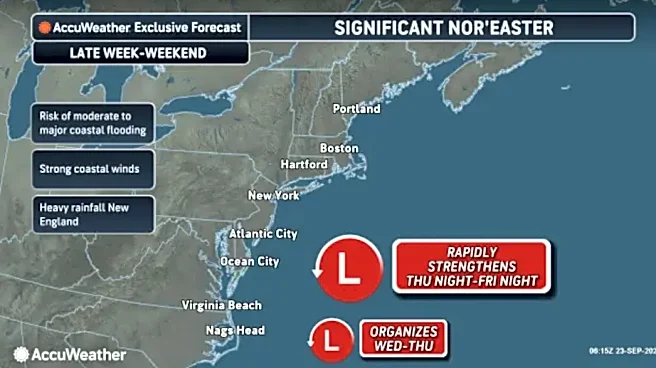
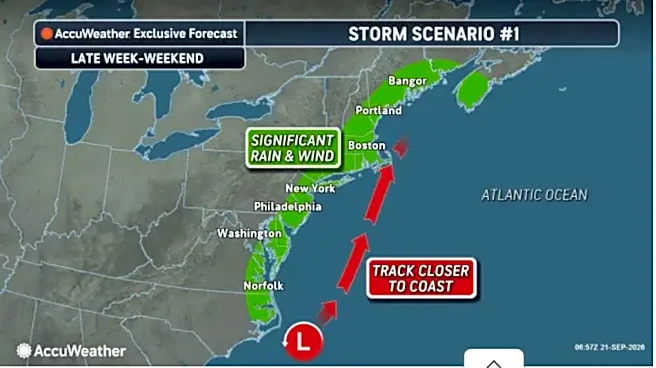
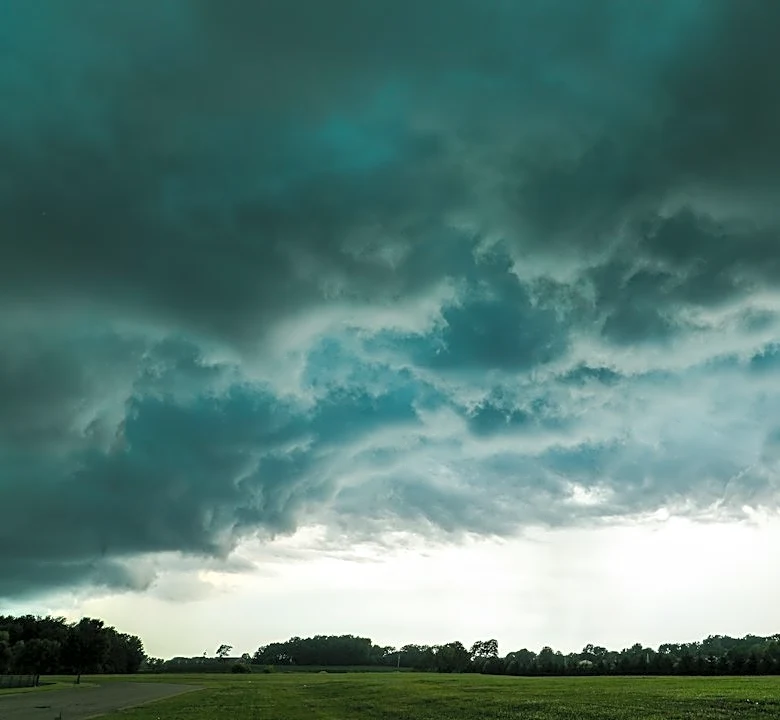
A nor'easter is expected to impact the New Jersey and Delaware coasts, bringing gusty winds, dangerous waves, and potential coastal flooding. The National Weather Service in Mt. Holly, New Jersey, indicates that a low-pressure area will develop offshore
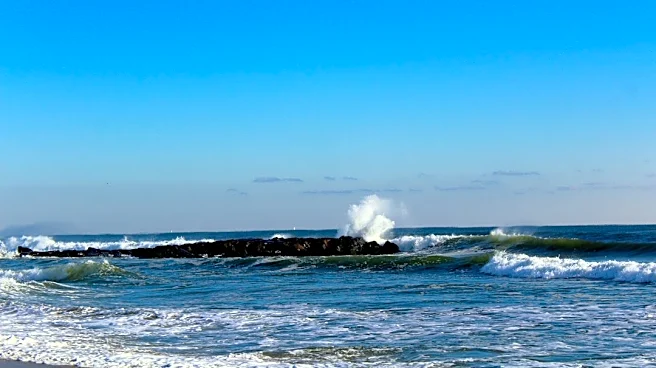
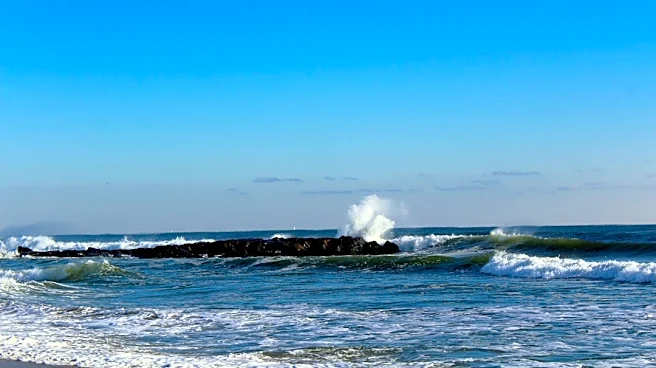
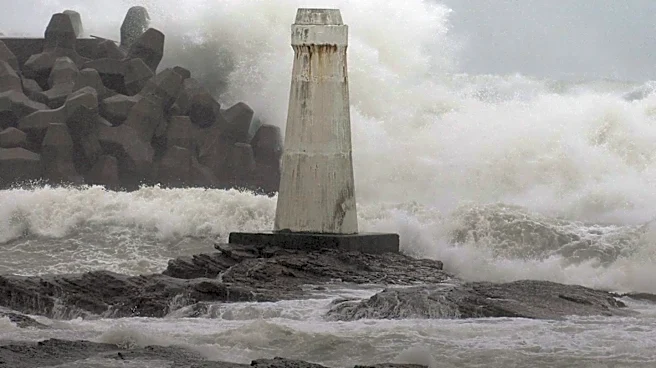
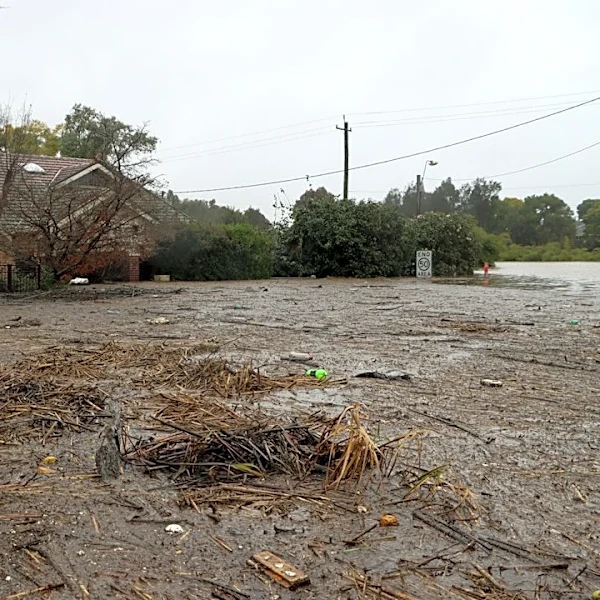
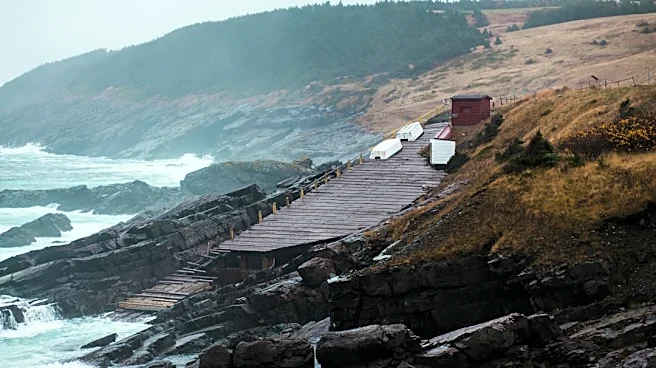
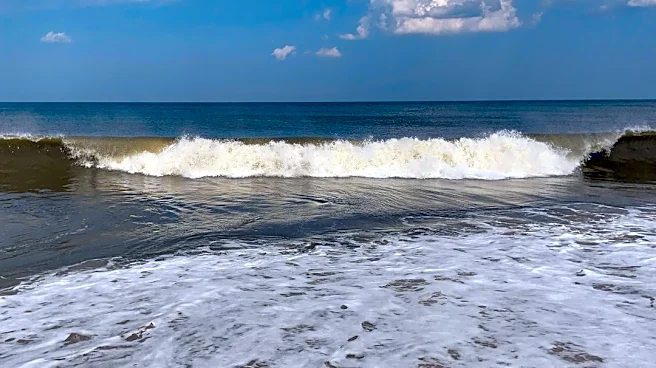
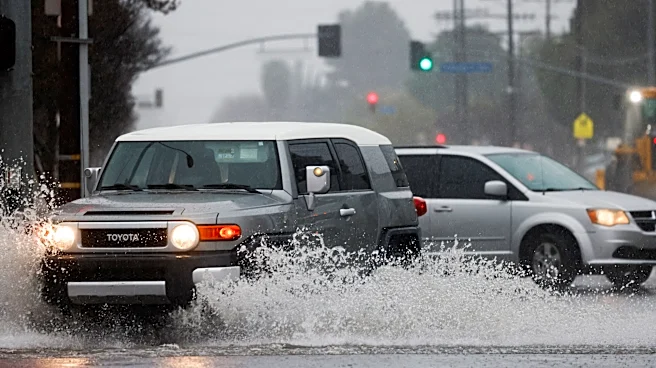
and move northward towards New England, causing severe conditions from Wednesday through Saturday. Coastal cities in both states are anticipated to experience the most significant effects. The National Weather Service has issued high surf, rip current, and wind advisories for the Jersey Shore and Delaware beaches, along with coastal flood advisories. Wind gusts could reach up to 45 mph, potentially leading to power outages and downed trees, while waves in surf zones are expected to be as high as 12 feet, increasing the risk of dangerous rip currents. Widespread roadway flooding is also possible in bayside communities, and beaches may face severe erosion.
Why It's Important?
This impending nor'easter poses significant risks to coastal communities and infrastructure in New Jersey and Delaware. The combination of high winds, dangerous waves, and coastal flooding can lead to property damage, disruptions to transportation, and threats to public safety. Power outages caused by strong winds can affect thousands of residents and businesses, impacting daily life and economic activity. Dangerous rip currents and high surf create hazardous conditions for anyone near the water, necessitating increased vigilance and potential beach closures. Furthermore, beach erosion can have long-term environmental and economic consequences, affecting tourism and coastal protection efforts. The event highlights the vulnerability of these regions to severe weather and the importance of preparedness and resilient infrastructure.
What's Next?
Residents and authorities in New Jersey and Delaware coastal areas are advised to prepare for the severe weather conditions expected from Wednesday through Saturday. This includes securing outdoor items, monitoring local weather advisories, and having emergency plans in place for potential power outages or evacuations. Emergency services will likely be on high alert to respond to incidents such as downed trees, power line issues, and rescue operations related to rip currents or flooding. After the storm passes, assessments will be conducted to determine the extent of damage, particularly regarding coastal erosion and infrastructure impacts. Recovery efforts will then focus on restoring power, clearing debris, and addressing any damage to public and private property.
Beyond the Headlines
The recurring threat of nor'easters and other severe weather events along the New Jersey and Delaware coasts underscores the broader challenges posed by climate change and rising sea levels. While individual storms are natural phenomena, their intensity and frequency can be exacerbated by changing climate patterns. This situation highlights the critical need for long-term coastal resilience strategies, including investments in infrastructure, natural defenses, and updated zoning regulations. The economic reliance of these regions on tourism also means that frequent or severe weather events can have lasting impacts on local economies. The ongoing cycle of preparation, impact, and recovery prompts deeper discussions about sustainable development, climate adaptation, and the future of coastal living in the face of environmental shifts.