



What's Happening?
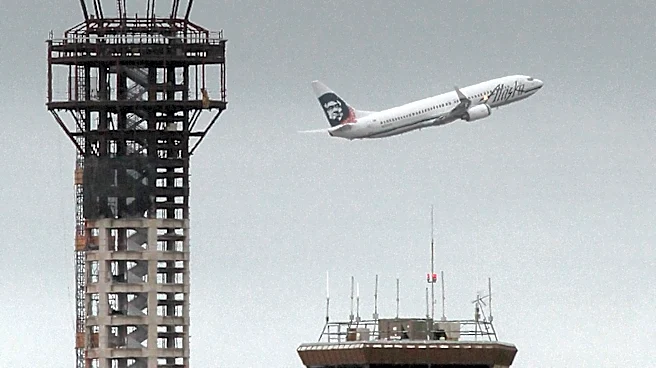
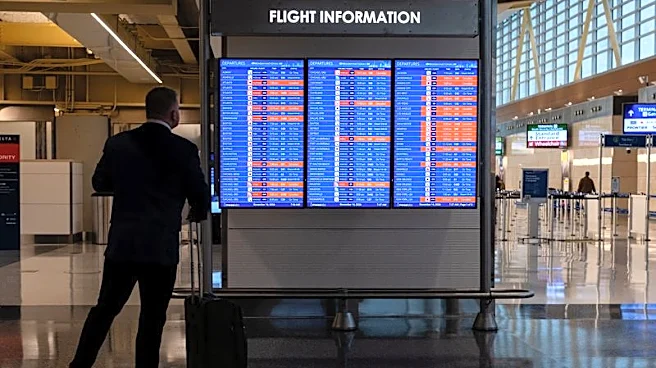
The White House has put forth a request for US$30.1 billion aimed at significantly upgrading the nation's aviation infrastructure. This substantial funding is intended to cover various critical areas, including advancements in air traffic control technology,
improvements to airport towers, and a range of other airport projects. The proposal highlights a concerted effort to modernize the U.S. aviation system, addressing both technological and structural needs. While the White House has made this request, the ultimate allocation and approval of these additional funds will rest with Congress. This initiative underscores a recognition of the need for continuous investment in aviation to ensure safety, efficiency, and capacity for future air travel demands.
Why It's Important?
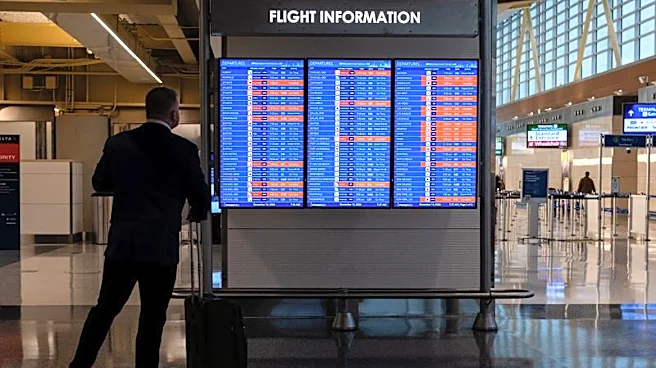
This proposed investment is crucial for the U.S. aviation sector, which serves as a vital component of both national infrastructure and the economy. Modernizing air traffic control technology is essential for enhancing safety, reducing delays, and increasing the overall capacity of the airspace, directly impacting millions of travelers and countless businesses reliant on air cargo. Outdated infrastructure can lead to inefficiencies, higher operational costs for airlines, and a less reliable travel experience for passengers. The funding for airport projects and towers will also contribute to better ground operations and passenger flow, which are critical for major hubs and regional airports alike. If approved, this investment could stimulate job creation in construction and technology sectors, while also bolstering the competitiveness of U.S. aviation on a global scale. Conversely, a failure to secure this funding could perpetuate existing challenges, potentially leading to increased flight delays, safety concerns, and a drag on economic productivity.
What's Next?
The White House's request for US$30.1 billion will now move to Congress for review and approval. Lawmakers will deliberate on the proposed allocation, potentially engaging in negotiations and adjustments to the funding package. The process will likely involve discussions within relevant congressional committees, such as those overseeing transportation and appropriations. Stakeholders, including aviation industry groups, airlines, and airport authorities, will likely advocate for the swift approval of these funds, emphasizing the economic and operational benefits. The timeline for congressional action is uncertain, but the urgency of aviation infrastructure needs suggests that this will be a priority. The final decision by Congress will determine the scope and pace of these critical aviation upgrades across the United States.
Beyond the Headlines
Beyond the immediate upgrades, this funding request reflects a broader strategic vision for the future of U.S. air travel. Investing in advanced air traffic control technology is not merely about replacing old equipment; it's about preparing for the integration of new air mobility concepts, such as drones and urban air taxis, which will demand a more sophisticated and automated airspace management system. The emphasis on airport projects also points to a need for greater resilience against climate-related disruptions and an enhanced passenger experience in an increasingly competitive global travel market. This initiative could also set a precedent for future public-private partnerships in infrastructure development, as the scale of these projects often requires collaborative funding models. Ultimately, the success of this investment will be measured not just in technological advancements, but in its ability to sustain economic growth, improve national connectivity, and maintain the U.S.'s leadership in aviation.