




What's Happening?
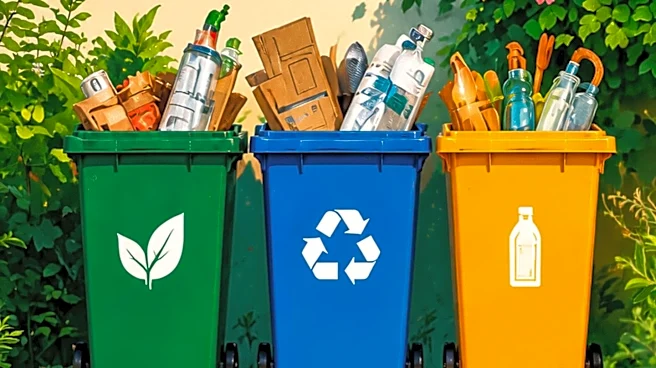
The City of Pico Rivera has issued updated guidelines regarding the recycling of plastic food packaging, aiming to reduce contamination in recycling and organic waste streams. The city specifies that only plastic containers labeled with recycling symbols
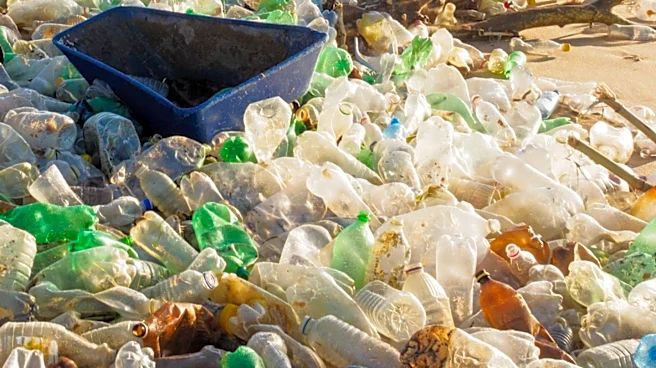
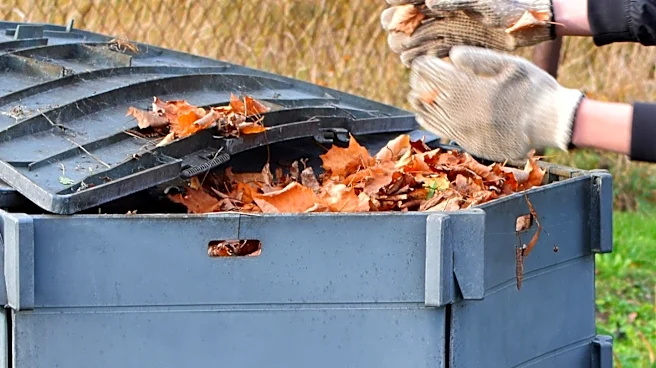
#1, #2, and #5 are accepted in the blue recycling bins. Other types of plastics, including soft and flexible items like plastic wrap, produce bags, and shrink wrap, should be placed in the black trash bin. These flexible plastics are problematic for recycling equipment as they can become tangled, causing damage and requiring manual removal. Furthermore, plastic packaging left on food scraps contaminates organic materials intended for composting, hindering proper processing. Residents are advised to remove all plastic packaging, stickers, wraps, and bags from food items before sorting them into the appropriate bins. The city also encourages residents to reduce plastic packaging consumption by choosing products with less packaging, buying in bulk, and using reusable bags.
Why It's Important?
These clarified recycling guidelines are important for improving the efficiency and effectiveness of waste management in Pico Rivera. By specifically identifying which plastics are recyclable and which are not, the city aims to significantly reduce contamination rates in both its recycling and organic waste programs. High contamination levels can lead to entire batches of recyclable materials being diverted to landfills, undermining environmental efforts and increasing operational costs. For residents, understanding these rules is crucial to ensure their recycling efforts are impactful. For businesses, particularly those in the food and beverage sector, these guidelines highlight a growing consumer and municipal focus on sustainable packaging. The emphasis on reducing plastic consumption also reflects a broader societal shift towards environmental responsibility, potentially influencing consumer purchasing habits and encouraging businesses to innovate in packaging solutions to meet these evolving demands.
What's Next?
The City of Pico Rivera will likely continue its efforts to educate residents on these updated recycling protocols through various communication channels. This may include public awareness campaigns, updated signage on recycling bins, and community outreach programs to ensure widespread understanding and compliance. Residents are expected to adapt their waste sorting habits to align with the new guidelines, which could lead to an initial period of adjustment. The success of these guidelines will depend on public participation and adherence, with potential future evaluations of contamination rates to assess their effectiveness. Businesses operating within Pico Rivera, especially those involved in food sales, may face increased pressure to offer packaging that aligns with the city's recyclable categories or to explore more sustainable, plastic-free alternatives to meet consumer expectations and regulatory trends.
Beyond the Headlines
The City of Pico Rivera's detailed recycling instructions underscore a larger national challenge in plastic waste management: the complexity and inconsistency of recycling rules across different municipalities. While a recycling symbol often implies recyclability, the reality is that local infrastructure and market demands dictate what can actually be processed. This discrepancy leads to confusion among consumers and contributes to high contamination rates. The focus on flexible plastics highlights a significant gap in current recycling capabilities, as these materials are often difficult and costly to recycle. This situation points to a need for standardized national recycling guidelines and investment in advanced recycling technologies capable of handling a wider range of plastic types. Furthermore, the city's encouragement of source reduction and reusable options reflects a growing recognition that recycling alone is insufficient to address the plastic pollution crisis, advocating for a more fundamental shift towards a circular economy model.