





What's Happening?
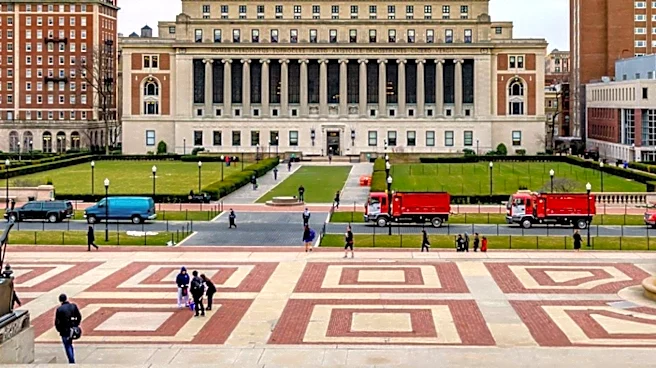
At Columbia University's Alzheimer's Research Center, scientists are making strides in understanding the origins of Alzheimer's disease. Led by Dr. Scott Small, the team is focusing on the role of endosomes, organelles within cells that are likened to
a train system's Grand Central Station. These endosomes are believed to be the first organelles to malfunction in Alzheimer's, leading to a cascade of cellular dysfunction. Dr. Yasir Qureshi, a colleague of Dr. Small, is working on translating findings from mouse models to human brains, aiming to develop drugs that can address these cellular issues. The research is still in the preclinical stage, but the team is optimistic about the potential for breakthroughs in treatment.
Why It's Important?
This research is crucial because it targets the very early stages of Alzheimer's disease, potentially allowing for interventions before significant brain damage occurs. By understanding the initial cellular dysfunctions, such as those involving endosomes, researchers can develop targeted therapies that may prevent or slow the progression of the disease. The work at Columbia could lead to significant advancements in how Alzheimer's is diagnosed and treated, offering hope to millions of patients and their families. The potential to translate these findings into effective treatments could revolutionize the approach to managing Alzheimer's disease.
What's Next?
The next steps for the Columbia research team involve further studies to confirm their findings in human subjects and collaborations with industry partners to develop drugs based on their research. Dr. Small and Dr. Qureshi are focused on ensuring that their discoveries can be translated into practical treatments, with the hope of entering clinical trials in the near future. The team is confident that their work will lead to significant advancements in Alzheimer's treatment, potentially within the next few years.