




What's Happening?
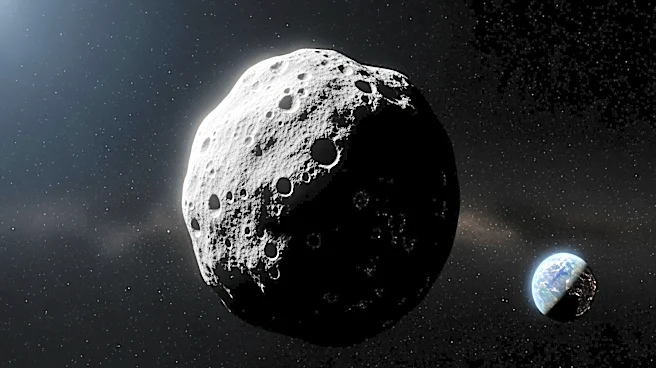
A newly discovered asteroid, named 2026 JH2, is set to pass by Earth at a remarkably close distance on May 18. The asteroid, which is comparable in size to a blue whale, was first identified by astronomers at the Mount Lemmon Observatory in Arizona on May 10.
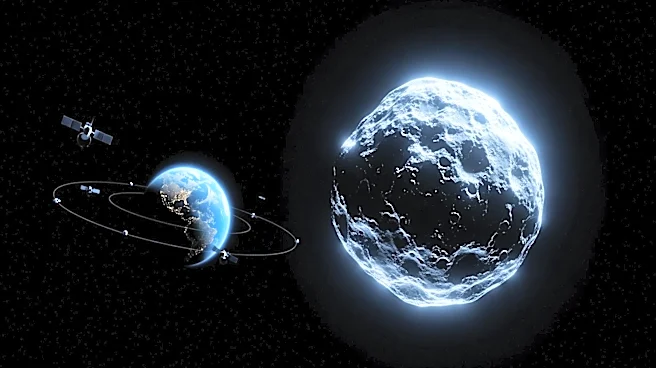
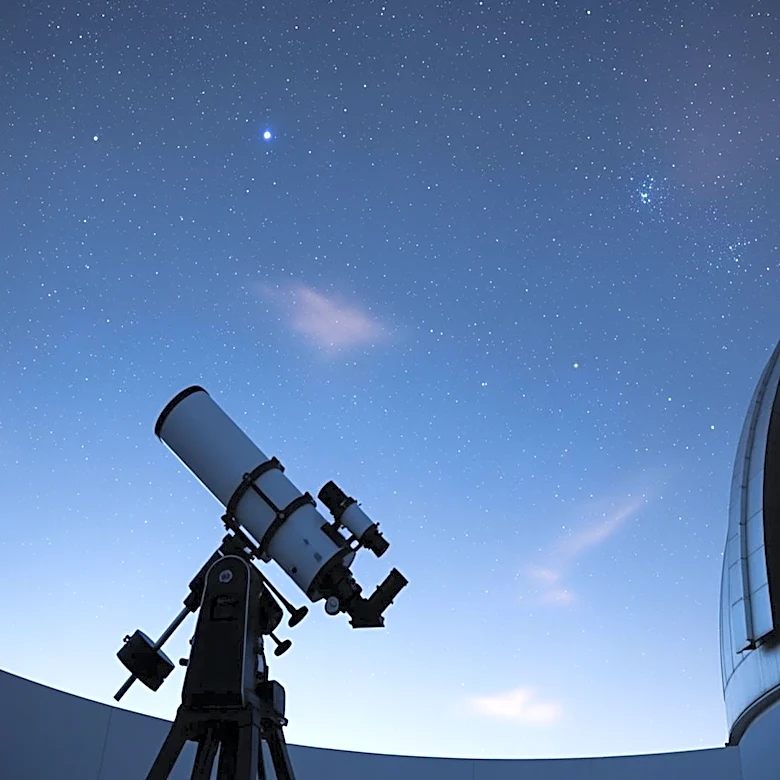
It travels at a speed of approximately 20,000 mph and follows an elliptical orbit around the sun, extending as far as Jupiter. On its closest approach, 2026 JH2 will pass at an altitude of about 56,000 miles, which is closer than some of Earth's satellites. Despite the proximity, scientists assure there is no risk of collision with Earth. The event will be visible to those with telescopes or binoculars, and a live stream will be available through the Virtual Telescope Project.
Why It's Important?
The close passage of 2026 JH2 highlights the importance of monitoring near-Earth objects (NEOs) for potential threats. While this asteroid poses no danger, its proximity underscores the need for continued vigilance and research in planetary defense. The ability to track and predict the paths of such objects is crucial for early warning systems that could mitigate potential impacts. This event also provides an opportunity for scientific observation and public engagement, as it can be viewed through telescopes and online streams, raising awareness about space phenomena and the importance of space research.
What's Next?
Following the flyby of 2026 JH2, attention will turn to other significant asteroids, such as the 'God of Chaos' asteroid, Apophis, which will pass even closer to Earth in 2029. Scientists are planning to send a probe to study Apophis during its approach. These events emphasize the ongoing need for international collaboration in space observation and the development of technologies to address potential asteroid threats. Continued advancements in detection and tracking systems will be essential in ensuring planetary safety.