







What's Happening?
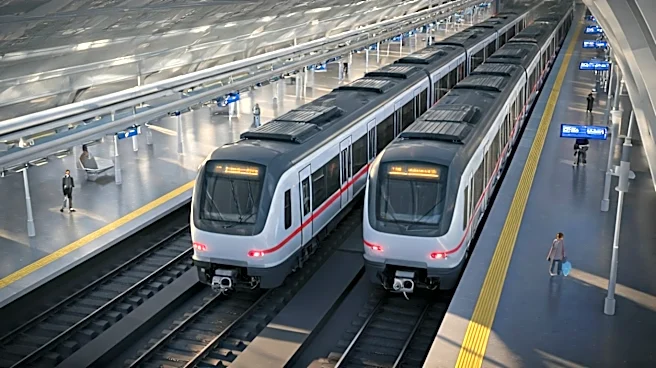
NJ Transit riders experienced significant delays and cancellations due to extreme heat affecting the rail system. The disruptions occurred just after a 3% fare increase took effect. Equipment issues, such as sagging overhead wires and buckling rail tracks,
were reported as temperatures soared to 100 degrees. The Montclair/Boonton, Morris & Essex, and other lines faced hour-long delays, with some trains diverted to Hoboken Terminal. NJ Transit advised riders to avoid non-essential travel, and Amtrak also warned of potential delays. The heat wave is expected to continue, with thunderstorms predicted.
Why It's Important?
The extreme heat's impact on NJ Transit highlights the vulnerability of transportation infrastructure to climate conditions. The disruptions affect thousands of commuters, potentially leading to economic losses and increased frustration among passengers. The fare hike adds to the burden, as commuters face higher costs alongside service interruptions. This situation underscores the need for infrastructure resilience and adaptation strategies to cope with climate change. The cross-honoring of tickets with other transit services offers some relief, but long-term solutions are necessary to prevent future disruptions.
What's Next?
NJ Transit will continue to monitor the situation, with delays expected to persist. Commuters are advised to check train statuses regularly. The agency may need to consider infrastructure upgrades to withstand extreme weather conditions. Stakeholders, including government agencies and transit authorities, might explore investments in climate-resilient infrastructure. Public pressure could increase for more reliable and efficient transit services, especially in light of fare increases. The ongoing heat wave may prompt further discussions on climate change adaptation in urban planning and public transportation.