

What's Happening?
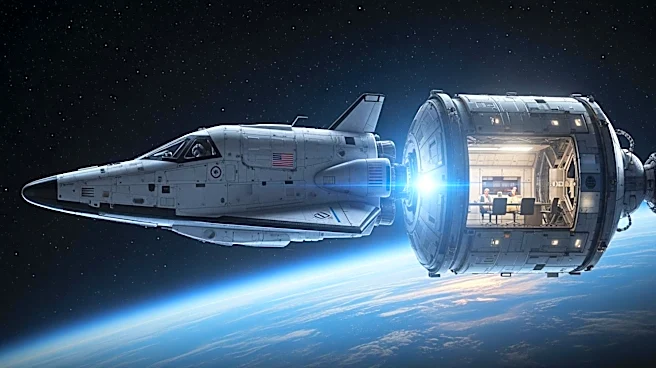
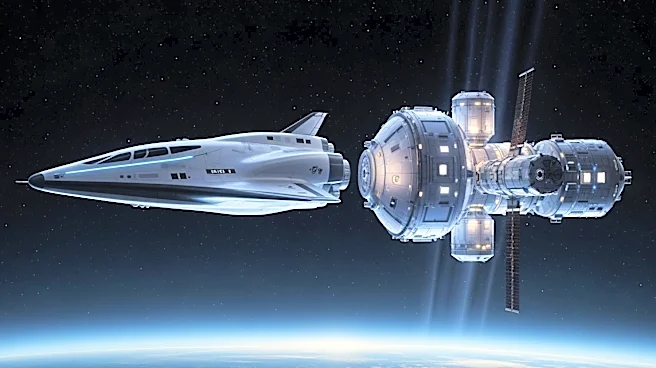
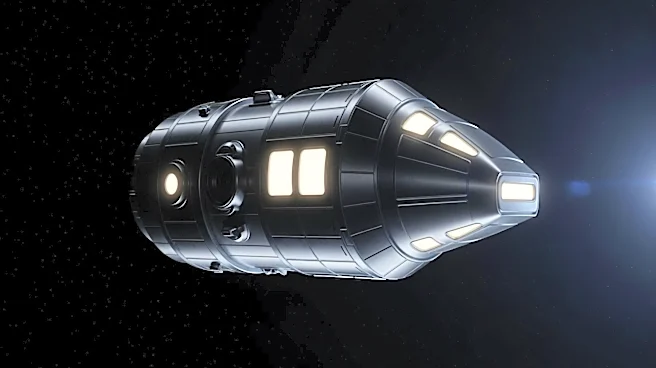
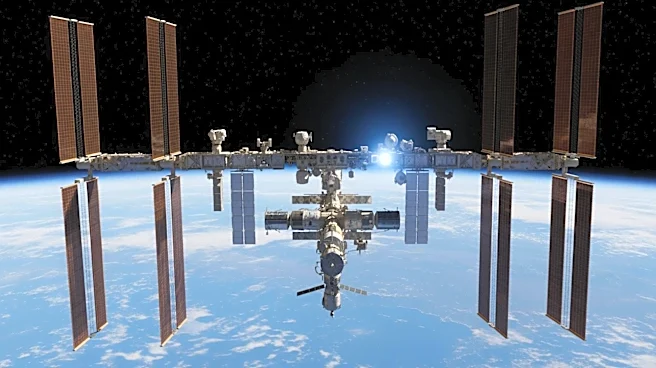
The International Space Station (ISS) experienced a safety concern due to air leaks in the Russian service module, prompting NASA to temporarily relocate five crew members to the docked SpaceX Dragon spacecraft. The leaks were detected in the PrK connecting
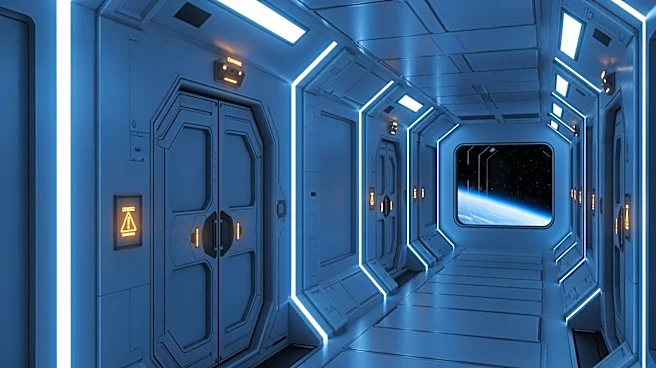
tunnel of the Zvezda module, an issue that has been monitored since 2019. The air loss rate recently doubled, leading to a major repair operation by Roscosmos. However, the repair was suspended shortly after, and the crew returned to their regular duties. The situation highlights ongoing discussions about the future of the ISS, with plans to replace it with commercial modules by the end of the decade.
Why It's Important?
The air leak issue underscores the aging infrastructure of the ISS and the challenges of maintaining safety in space. The incident highlights the importance of international cooperation in space exploration, as both NASA and Roscosmos work together to address the problem. The situation also emphasizes the need for future planning, as NASA aims to transition to commercial modules. This shift could impact the space industry by opening opportunities for private companies to play a larger role in space exploration and station management. The safety of astronauts remains a top priority, and incidents like this could influence future policies and investments in space technology.
What's Next?
NASA and Roscosmos will continue to monitor the air leak situation closely, ensuring the safety of the crew aboard the ISS. The incident may accelerate discussions and plans for the station's replacement with commercial modules. SpaceX, already contracted to develop a spacecraft for the ISS's deorbiting, could see increased involvement in future space station operations. The international space community will likely focus on developing more sustainable and reliable space habitats, considering the lessons learned from the ISS's aging infrastructure.