


What's Happening?
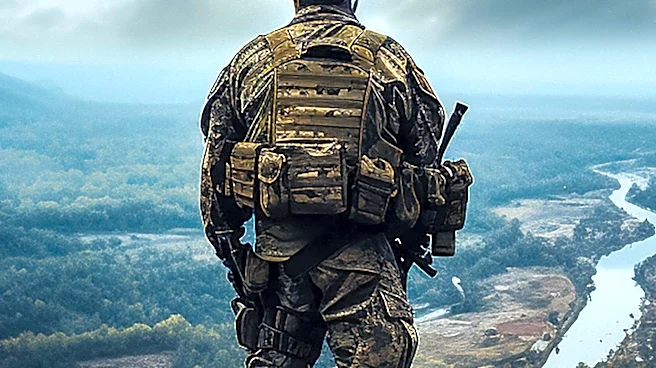
Canada's Department of National Defence has announced the closure of four overseas peacekeeping missions and the reduction of a fifth, marking a significant shift in the country's military strategy. This decision, described as 'rebalancing,' aims to align
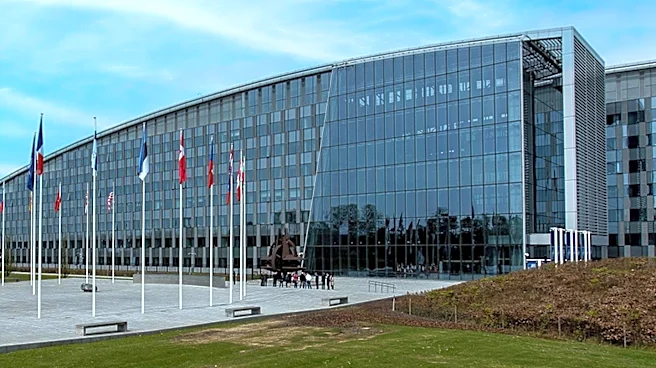
Canadian Armed Forces resources with current defense priorities, including NATO commitments in Latvia and potential future missions in the Indo-Pacific. The move has sparked criticism from those who view it as the end of Canada's peacekeeping legacy, a role that has been a defining aspect of the nation's international identity.
Why It's Important?
The winding down of Canada's peacekeeping missions represents a pivotal change in the country's foreign policy and military engagement. It signals a shift from traditional peacekeeping roles to a focus on strategic alliances and deterrence, particularly in response to global geopolitical tensions. This decision could impact Canada's diplomatic influence and its reputation as a peacekeeping nation, potentially ceding ground to other countries like China, which are increasing their peacekeeping contributions. The move also reflects broader trends in international relations where middle powers are reassessing their roles amid great power competition.
What's Next?
As Canada reduces its peacekeeping commitments, the focus will likely shift to enhancing its presence in NATO and exploring new missions in the Indo-Pacific region. This strategic realignment may involve increased defense spending and a reevaluation of military capabilities to address emerging global threats. The decision may also prompt discussions within Canada about the future of its international military engagements and the balance between peacekeeping and strategic defense roles.