







What's Happening?
The United States was the most frequently targeted country for cyber operations in the third quarter of 2026, experiencing 64 incidents. This comes amidst a significant global increase in publicly disclosed cyber operations, with 227 recorded incidents—a
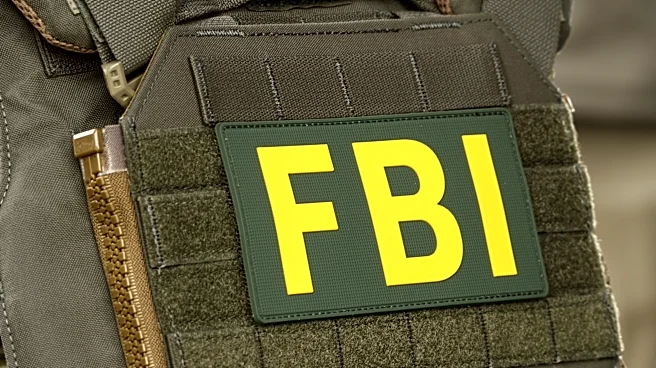
40.1% rise from the previous quarter and 36 more than the long-term quarterly average. The European Repository of Cyber Incidents (EuRepoC), in collaboration with DCSO, reported that 86% of these incidents involved actual 'damage' after intrusion, including data theft (60%) and system outages (42%). Notably, the 'ShinyHunters' group conducted a severe attack on the U.S. Federal Bureau of Investigation (FBI), stealing over 3 TB of data on FBI employees. This attack was followed by a coordinated operation by U.S. and international authorities, leading to several arrests. Additionally, the military conflict surrounding Iran continued to impact the U.S. cyber ecosystem, with several incidents targeting water supply systems in multiple states, including New Jersey and Minnesota.
Why It's Important?
The escalating number and sophistication of cyberattacks targeting the U.S. pose significant national security and economic threats. The attack on the FBI, a critical law enforcement agency, highlights vulnerabilities in even highly secured government systems, potentially compromising sensitive information and undermining public trust. The targeting of essential infrastructure, such as water supply systems in New Jersey and Minnesota, demonstrates a direct threat to public safety and critical services, which could lead to widespread disruption and economic instability. The report also indicates a shift in attack methodologies, with a decrease in DDoS attacks and a rise in incidents causing direct damage, data theft, and system outages. This evolution necessitates a re-evaluation of current cybersecurity defenses and response strategies across both government and private sectors to protect vital assets and maintain operational continuity.
What's Next?
In response to the 'ShinyHunters' attack, U.S. and international authorities have already made arrests, indicating ongoing efforts to combat cybercrime through coordinated law enforcement actions. The report also mentions a new U.S. directive authorizing private contractors to actively engage in the fight against transnational cybercrime, suggesting a potential shift towards more aggressive and collaborative defense strategies. This directive could lead to increased partnerships between government agencies and private cybersecurity firms, enhancing capabilities for threat detection, response, and attribution. However, the potential risks associated with private contractor involvement in cyber warfare will likely be a subject of ongoing debate and policy development. Furthermore, the continued targeting of critical infrastructure will likely prompt enhanced cybersecurity measures and regulatory oversight for sectors like water utilities and other essential services.
Beyond the Headlines
The increasing use of AI agents by attackers, as highlighted in the report, suggests a future where less capable actors can execute more complex cyberattacks. This trend raises ethical and strategic questions about the proliferation of AI in offensive cyber operations and the potential for autonomous cyber warfare. The report also notes a 'Europeanisation of international cyber diplomacy,' with European nations coordinating responses without U.S. leadership in some instances. This could signal a broader geopolitical shift in cybersecurity alliances and responsibilities, potentially leading to more diversified international cooperation frameworks. The overlap between ransomware groups and state actors, though not directly confirmed, points to a complex and evolving threat landscape where traditional distinctions between cybercrime and state-sponsored attacks are blurring, complicating attribution and response efforts.