
What's Happening?
In Florida, a local resident has sparked interest by promoting the consumption of invasive green iguanas, which are causing significant environmental damage in the region. The iguanas, known for their
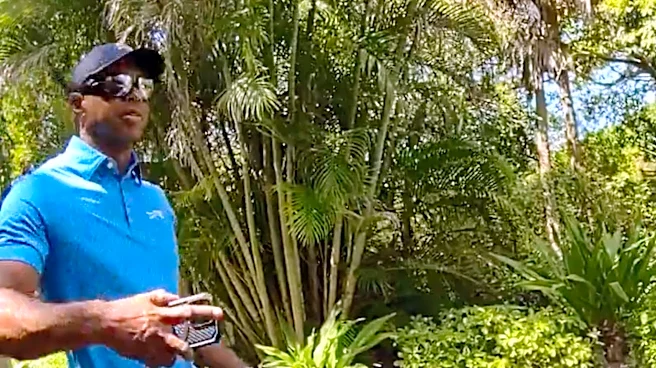
ability to damage vegetation and infrastructure, have become a nuisance in Florida. The Florida Fish and Wildlife Conservation Commission has identified them as a threat to native species and infrastructure due to their burrowing habits. The resident, identified as Ryan, shared a video of his culinary experiment, where he prepared iguana meat using a marinade of buttermilk, pickle juice, and seasonings. This unconventional approach aims to control the iguana population while providing an alternative food source. The video, filmed in a Waffle House parking lot, has gone viral, drawing mixed reactions from the public.
Why It's Important?
The initiative to consume green iguanas highlights a creative approach to managing invasive species, which pose a threat to local ecosystems and infrastructure. By encouraging the consumption of these iguanas, there is potential to reduce their population and mitigate their environmental impact. This method aligns with broader efforts to control invasive species through consumption, similar to practices with other invasive plants and animals. The public's mixed reactions underscore the cultural and dietary challenges of adopting such measures. However, if widely accepted, this could lead to a sustainable solution for managing invasive species, potentially influencing public policy and conservation strategies.
What's Next?
If the idea of consuming green iguanas gains traction, it could lead to organized efforts to harvest these animals, possibly involving local businesses and restaurants. This could also prompt regulatory bodies to establish guidelines for the safe and sustainable harvesting of iguanas. Additionally, public health campaigns may be necessary to address concerns about the safety of consuming iguana meat, particularly regarding the risk of Salmonella transmission. The success of this initiative could inspire similar approaches to other invasive species, potentially influencing environmental management practices across the U.S.