
What's Happening?
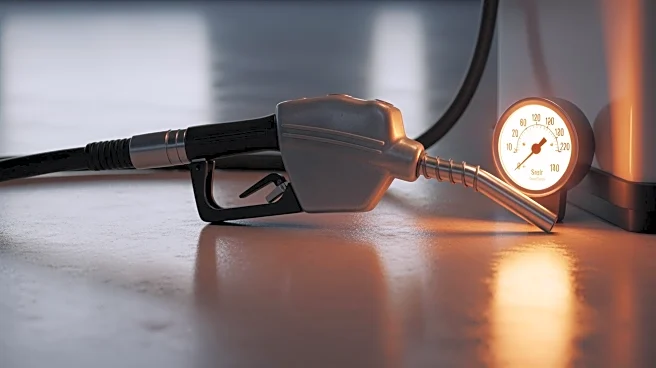
In 1976, self-serve gas stations began to gain popularity across the United States, signaling a significant shift in consumer habits and the gas station industry. This change was driven by the increasing
demand for convenience and cost savings among consumers. As full-service stations started to decline, more drivers opted for the self-service model, which allowed them to pump their own gas and often resulted in lower prices. The transition was part of a broader trend towards automation and self-service in various sectors, reflecting changing consumer preferences and technological advancements.
Why It's Important?
The rise of self-serve gas stations in 1976 marked a pivotal moment in the retail fuel industry, influencing how gas stations operate today. This shift not only changed the way consumers interacted with gas stations but also had economic implications. By reducing the need for attendants, gas stations could lower operational costs, which often translated into lower prices for consumers. This model also paved the way for further innovations in the industry, such as pay-at-the-pump technology and convenience store integration. The move towards self-service reflected broader societal trends towards efficiency and self-reliance, impacting consumer behavior and business operations across the country.