



What's Happening?
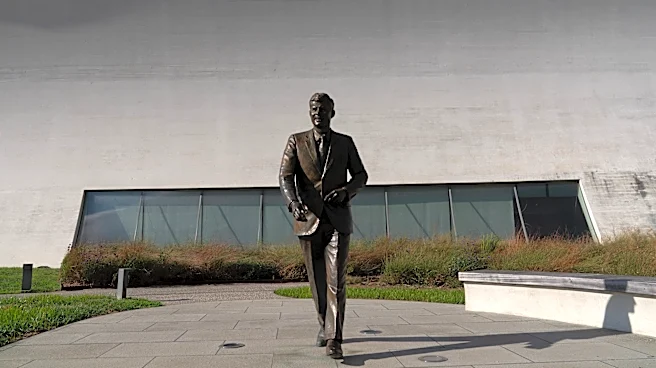
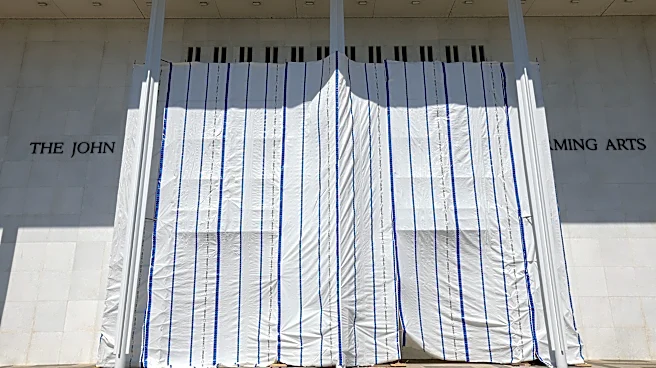
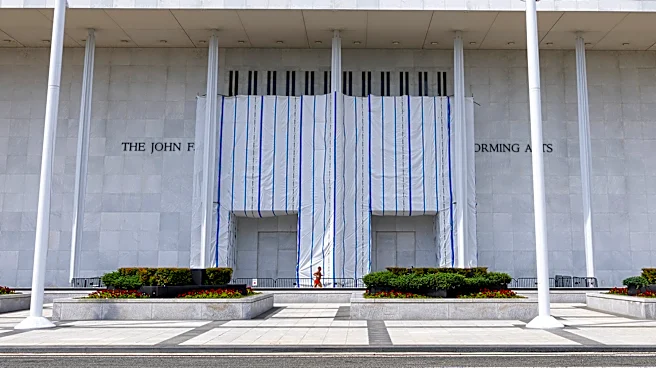
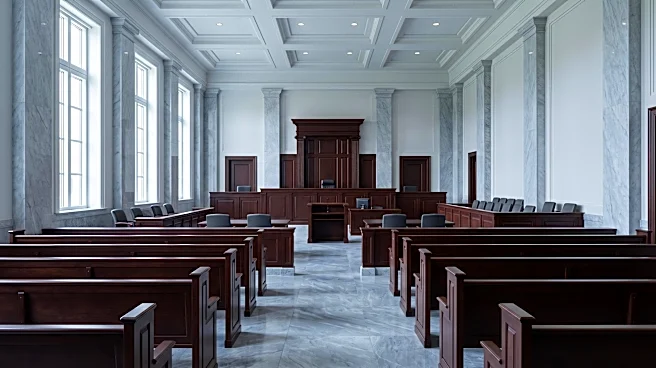
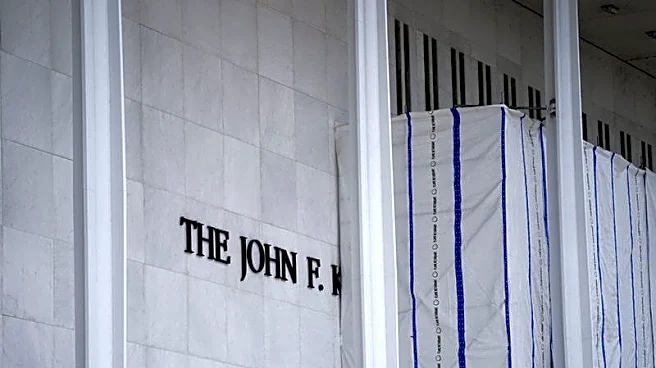
A Washington federal judge, Christopher “Casey” Cooper of the US District Court for the District of Columbia, has blocked the John F. Kennedy Center for the Performing Arts board from inscribing 'renovated and restored by Donald J. Trump' on the main
building and renaming the grounds 'President Donald J. Trump Plaza.' This ruling comes after the board's latest attempt to recognize President Trump's contributions to the center. Judge Cooper found that the board's actions violate his earlier court order and federal law, which stipulate that memorials at the Kennedy Center cannot be installed without congressional approval and that the center cannot be named for any person other than President John F. Kennedy. This is the second time the judge has rejected the board's proposals regarding President Trump's name on the building. The board, whose members were appointed by President Trump, had previously voted to change the center's name to 'The Donald J. Trump and John F. Kennedy Center for the Performing Arts' and installed signage, which was subsequently ordered to be removed by Judge Cooper in May.
Why It's Important?
This ruling underscores the ongoing legal and political battle over the naming and governance of the Kennedy Center, a national memorial established by Congress. The dispute highlights the tension between the current board's desire to acknowledge President Trump's involvement and the legal framework designed to preserve the center's original dedication to President John F. Kennedy. The board has warned of 'certain fiscal collapse' if it cannot secure President Trump's name on the building, suggesting that his financial support for renovations is contingent on this recognition. This situation raises questions about the influence of political appointments on cultural institutions and the potential for such disputes to impact their financial stability and public perception. The case also sets a precedent for how federal judges interpret and enforce congressional intent regarding national landmarks and memorials, particularly when political figures are involved.
What's Next?
The Kennedy Center board is scheduled to vote on a broad closure for renovations, which they claim are necessary for upkeep and safety. A Justice Department lawyer indicated that the government will soon ask Judge Cooper to lift his court order against closing the center following this latest board vote. While the judge did not rule on the legality of adding 'endowed by The Trump Kennedy Center Fund' to the building's exterior once $100 million is raised, he suggested its 'dubious lawfulness' and ordered the government to notify the court 60 days before any such inscription is installed. This indicates that further legal challenges and scrutiny are likely as the board pursues its fundraising and renovation plans. The ongoing legal proceedings will continue to shape the future of the Kennedy Center's operations and its public identity.
Beyond the Headlines
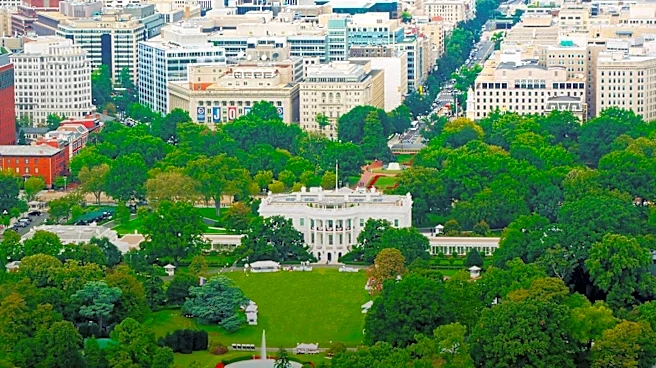
The controversy surrounding the Kennedy Center extends beyond mere naming rights; it delves into the broader implications of political influence on national cultural institutions and the interpretation of historical legacy. The board's assertion that the center faces 'fiscal collapse' without President Trump's name on the building raises ethical questions about the potential for financial leverage to dictate the recognition of individuals on public memorials. This situation reflects a larger pattern of challenges to the integrity of Washington's historic landmarks, as seen in other proposed projects during President Trump's administration, such as the White House ballroom construction and proposals for the Eisenhower Executive Office Building. The case highlights the delicate balance between honoring past legacies and accommodating contemporary political figures, and the role of the judiciary in safeguarding the original intent of such institutions against perceived political pressures.