





What's Happening?
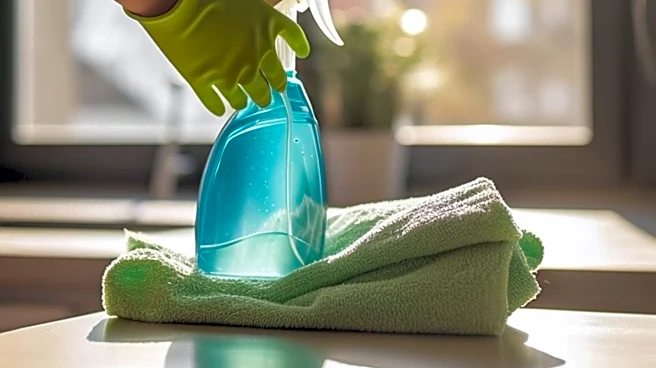
Recent research has raised concerns about the health risks associated with quaternary ammonium compounds (QACs), commonly found in disinfectants and personal care products. Studies have linked QACs to reproductive issues, inflammation, and potential neurodegenerative
effects. Patricia Hunt, a researcher at Washington State University, discovered that QACs could cause significant reproductive harm in mice, including birth defects and infertility. These compounds are widely used in homes, schools, and healthcare settings, especially since the COVID-19 pandemic increased demand for disinfectants. Despite their effectiveness in killing germs, emerging evidence suggests that QACs may pose significant health risks.
Why It's Important?
The widespread use of QACs in everyday products poses a potential public health concern, as these chemicals are now detectable in human blood and other bodily fluids. The findings suggest that QACs could contribute to rising infertility rates and other health issues. This situation mirrors past concerns with chemicals like BPA, which were later found to have significant health impacts. The potential risks associated with QACs highlight the need for further research and possibly stricter regulations to ensure consumer safety. The issue also underscores the importance of public awareness and informed choices regarding the use of disinfectants.
What's Next?
As awareness of the potential risks of QACs grows, there may be increased pressure on regulatory bodies to reassess the safety of these compounds. Researchers and public health advocates may push for more comprehensive studies to better understand the long-term effects of QAC exposure. Consumers might also begin to demand safer alternatives, leading to changes in product formulations by manufacturers. The Environmental Protection Agency (EPA) could face calls to update guidelines and regulations concerning the use of QACs in consumer products.