
What's Happening?
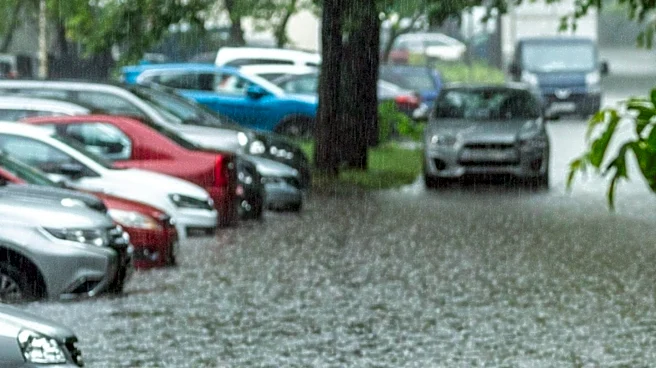
The National Weather Service has issued flood advisories for several counties in the Charlotte region due to heavy rainfall. On July 23, 2026, counties including Anson, Iredell, Mecklenburg, Richmond,
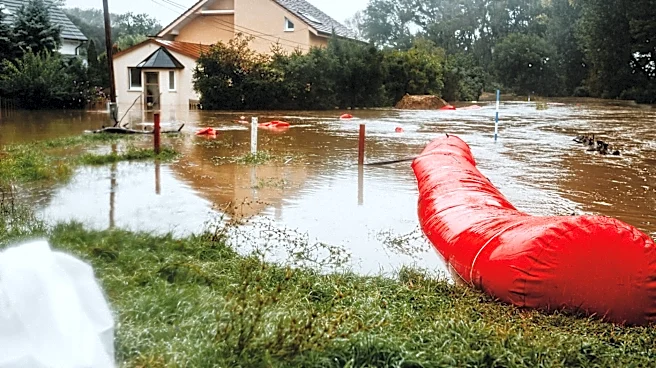
Rowan, Stanly, and Union were under advisories, with varying expiration times throughout the day. The advisories were prompted by the expectation of several inches of rain, with some areas already experiencing significant rainfall. Anson, Richmond, and Stanly counties had received up to 3 inches by noon, with more expected. The threat of high water conditions was particularly noted between I-40 and I-85. Creeks and streams were at risk of flooding, and residents were advised to seek higher ground if water levels began to rise. Flood watches were also in effect for additional counties, including Avery, Burke, Cabarrus, and others, extending into the evening and the following morning.
Why It's Important?
The heavy rainfall and subsequent flood advisories highlight the vulnerability of the Charlotte region to weather-related disruptions. Flooding can lead to significant property damage, disrupt transportation, and pose safety risks to residents. The advisories serve as a critical reminder for local governments and communities to prepare for and mitigate the impacts of severe weather. The situation underscores the importance of effective communication and emergency response systems to ensure public safety. Additionally, the economic implications of flooding, such as potential damage to infrastructure and businesses, can have lasting effects on the local economy.
What's Next?
Residents in the affected areas are advised to monitor weather updates and heed warnings from local authorities. The National Weather Service may extend or issue new advisories as conditions evolve. Local governments and emergency services are likely to remain on high alert, ready to respond to any incidents of flooding. Community members are encouraged to prepare for potential evacuations and to secure their properties against water damage. The situation may prompt discussions on long-term infrastructure improvements to better manage flood risks in the region.