



What's Happening?
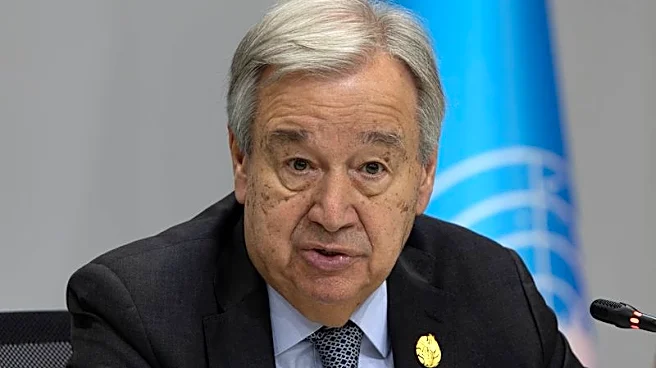
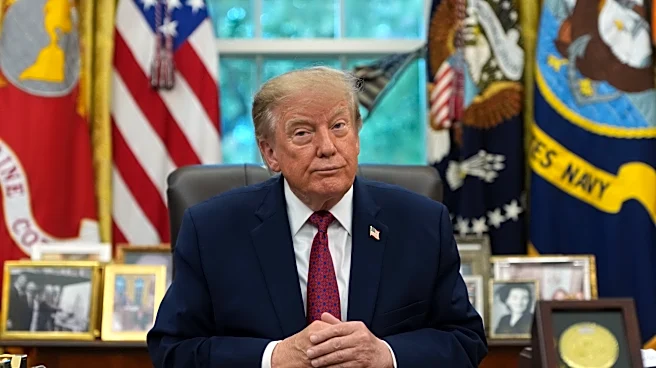
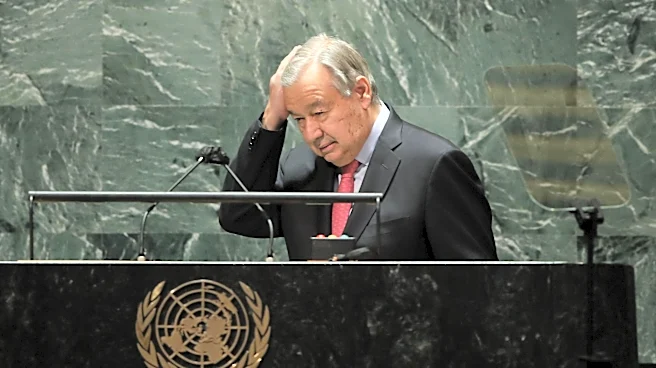
United Nations Secretary-General Antonio Guterres has expressed the UN's readiness to assist if President Trump, Russian President Vladimir Putin, and Chinese President Xi Jinping make progress on reducing nuclear weapons. This statement comes ahead of
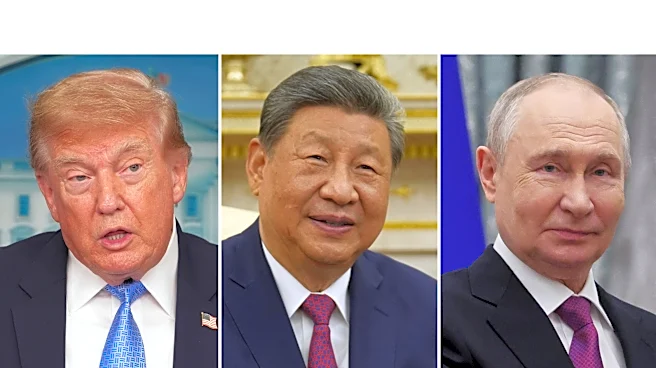
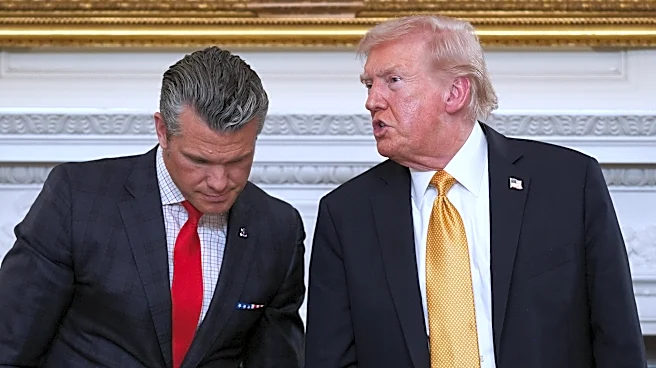
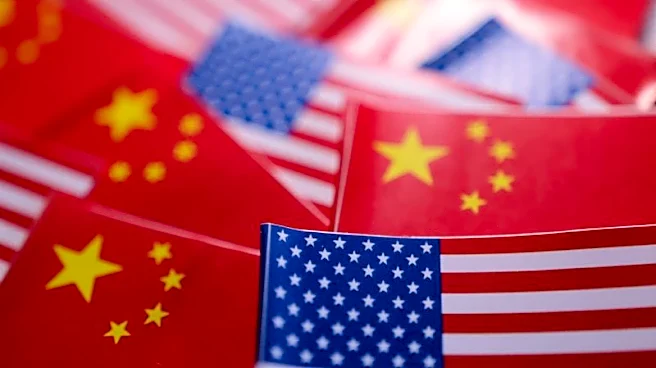
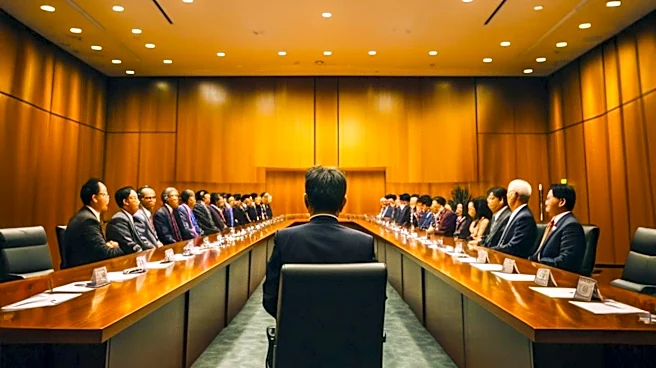
a rare meeting between the three leaders scheduled for November 19 in Shenzhen, China, on the sidelines of the Asia-Pacific Economic Cooperation forum. The White House has indicated that President Trump intends to include nuclear arms reductions on the agenda for this trilateral meeting. However, China has shown resistance to direct negotiations with the U.S. regarding its nuclear weapons program, asserting that discussions on nuclear arms should primarily occur between Moscow and Washington due to their substantially larger arsenals. Guterres, speaking in Manila during the Association of Southeast Asian Nations (ASEAN) summit, affirmed the UN's preparedness to contribute to any denuclearization initiative that may arise from these talks, while also acknowledging the uncertainty of such an outcome. The UN has consistently advocated for nuclear disarmament, citing concerns over heightened nuclear conflict risks due to major power rivalries and escalating international tensions.
Why It's Important?
The potential for trilateral discussions on nuclear disarmament among the U.S., China, and Russia is significant for global security. The involvement of the UN, as offered by Secretary-General Guterres, could provide a crucial multilateral framework and expertise to any future agreements. A reduction in nuclear arsenals by these three major powers would substantially de-escalate global nuclear tensions and reinforce the international non-proliferation regime. For the U.S., engaging China and Russia in such talks could lead to more stable strategic relations and potentially reduce the financial burden of maintaining extensive nuclear deterrents. However, China's reluctance to engage directly with the U.S. on its nuclear program, citing the size disparity with U.S. and Russian arsenals, presents a significant diplomatic hurdle. The outcome of these discussions could either pave the way for a new era of arms control or highlight persistent divisions among the world's leading nuclear powers, impacting future global security architectures and arms race dynamics.
What's Next?
The immediate next step is the trilateral meeting between President Trump, President Putin, and President Xi Jinping on November 19 in Shenzhen, China. The extent to which nuclear disarmament will be substantively discussed, beyond broad statements of intent, remains to be seen, especially given China's stated reservations. Should the leaders agree to pursue nuclear arms reductions, the UN stands ready to offer its support, potentially facilitating future negotiations or verification processes. However, if significant progress is not made, the international community may continue to face elevated risks of nuclear conflict due to ongoing rivalries and lack of concrete disarmament commitments. The discussions may also touch upon other critical geopolitical issues, such as the Iran conflict, which could further influence the dynamics of cooperation or contention among these nations. The meeting's outcome will likely set the tone for future multilateral efforts in arms control and global security.
Beyond the Headlines
The push for nuclear disarmament by the UN and the U.S. in a trilateral setting with China and Russia highlights a complex interplay of power dynamics, national security interests, and global responsibility. Beyond the immediate goal of reducing nuclear arsenals, these discussions touch upon the broader ethical implications of weapons of mass destruction and the long-term vision for a world free of nuclear threats. China's stance, emphasizing the larger arsenals of the U.S. and Russia, reflects a strategic calculus aimed at maintaining its relative nuclear deterrent while avoiding direct constraints on its own modernization efforts. This dynamic underscores the challenge of achieving equitable disarmament agreements when there are significant disparities in existing capabilities. The outcome could influence the future of international treaties, potentially leading to new frameworks that account for emerging nuclear powers and technologies, or it could further entrench existing divisions, leading to a more fragmented and less predictable global security landscape. The moral imperative for disarmament, often voiced by the UN, clashes with the geopolitical realities of deterrence and national sovereignty, making any progress a delicate balance.