
What's Happening?
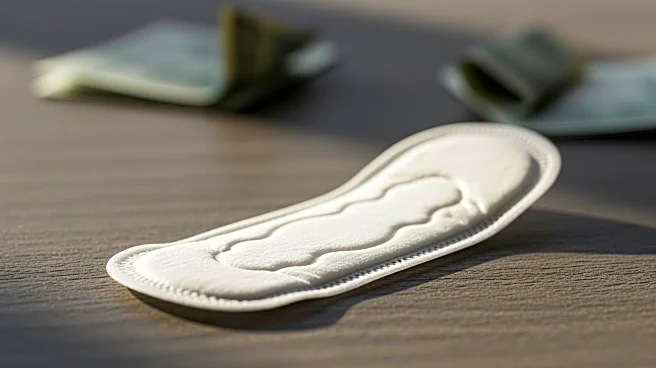
Pakistan continues to impose a 40% luxury tax on menstrual pads, classifying them as non-essential goods. This policy has faced criticism from activists and organizations advocating for menstrual health. Despite efforts, including a petition with over
10,000 signatures and a lawsuit filed in 2025 to reclassify menstrual products as essential, no court date has been set due to the country's unstable political and judicial environment. In contrast, India abolished its menstrual tax in 2018, treating menstrual hygiene items as essential goods to improve affordability and access.
Why It's Important?
The tax on menstrual products in Pakistan highlights significant gender and health policy issues. The classification of menstrual pads as luxury items exacerbates economic barriers for women, particularly affecting low-income groups. This policy contrasts with global trends where countries are increasingly recognizing menstrual products as essential, aiming to improve women's health and education outcomes. The ongoing advocacy efforts reflect a broader movement towards gender equality and health rights. The situation also underscores the challenges faced by civil society in influencing policy change in politically unstable environments.
What's Next?
Advocates for menstrual health in Pakistan are likely to continue their efforts to challenge the tax policy through legal and public campaigns. The outcome of the lawsuit, if it proceeds, could set a precedent for reclassifying menstrual products as essential goods. International attention and comparisons with other countries' policies may pressure the Pakistani government to reconsider its stance. Additionally, the issue may prompt broader discussions on women's health rights and gender equality in Pakistan, potentially influencing future policy reforms.