
What's Happening?
NASA is marking the tenth anniversary of its University Leadership Initiative (ULI), a program designed to foster innovation in aeronautics and develop the future aviation workforce. Over the past decade,
ULI has supported more than 1,100 students across 100 schools, focusing on key areas such as high-speed flight, advanced air mobility, and electrified propulsion. The initiative allows university students and faculty to propose research projects that align with NASA's goals, offering them a unique opportunity to contribute to significant aeronautical challenges. Many students have leveraged their ULI experience to secure careers in the aviation industry, with some projects leading to further investigation or adoption by industry players.
Why It's Important?
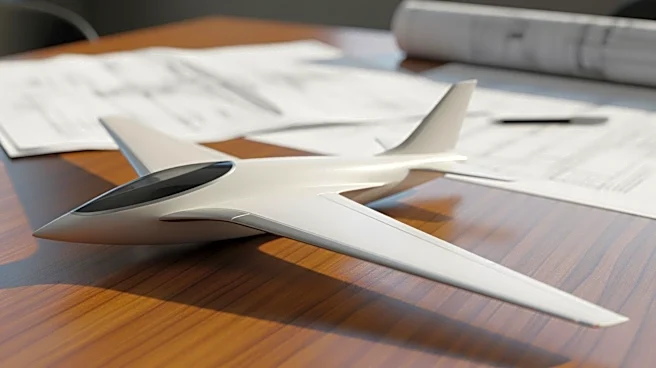
The ULI program is crucial for maintaining the United States' competitive edge in global aviation by nurturing a skilled workforce and fostering innovation. By engaging students in real-world challenges, NASA is not only advancing aeronautical research but also ensuring that the next generation of engineers and scientists are well-prepared to tackle future industry demands. The program's success in producing viable technological advancements, such as more efficient wing designs and shape-shifting supersonic aircraft, highlights its role in driving forward-thinking solutions that could transform air travel. This initiative also strengthens the collaboration between academia and industry, ensuring that fresh ideas and new technologies continue to emerge.
What's Next?
Looking ahead, NASA plans to continue leveraging student innovations through new ULI awards in 2026 and beyond. The agency aims to further integrate these innovations into its broader research agenda, potentially leading to new breakthroughs in aeronautics. As the program evolves, it will likely expand its focus areas to include emerging challenges in aviation, such as sustainable flight and autonomous systems. The continued success of ULI could inspire similar initiatives across other sectors, reinforcing the importance of academic-industry partnerships in driving technological progress.