





What's Happening?
The National Oceanic and Atmospheric Administration (NOAA) predicts a 'very strong' El Niño this fall and winter, which is expected to influence heating bills differently across various U.S. regions. Historically, El Niño patterns tend to bring warmer,
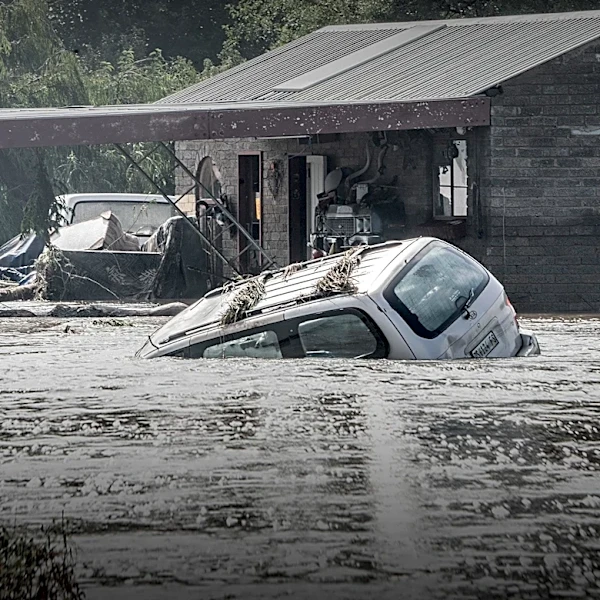
drier winters to the northern U.S. and cooler, wetter conditions to southern regions. For northern states, a milder winter could lead to reduced fuel consumption for heating, potentially lowering bills. However, the actual savings depend on the type of fuel used (natural gas, propane, heating oil, or electricity) and how quickly fuel prices respond to demand changes. In contrast, households in the Southeast and along the Gulf Coast may experience slightly increased heating demand, though experts suggest this rise would be small and unlikely to significantly impact typical utility bills. The impact is not guaranteed and can be difficult to predict precisely, with regional differences playing a crucial role.
Why It's Important?
The varied impact of El Niño on heating bills across the U.S. highlights the complex interplay between climate patterns, energy consumption, and household economics. For northern states, potential savings on heating costs could provide financial relief to families and businesses, freeing up funds for other expenditures. Conversely, even a small increase in heating demand in southern regions could strain household budgets, particularly for vulnerable populations. The reliance on different heating fuels across regions also means that price volatility in one fuel type could disproportionately affect certain areas. Understanding these regional differences is crucial for energy providers, policymakers, and consumers to prepare for potential shifts in demand and cost. It also underscores the importance of energy efficiency measures that can help mitigate the financial impact of weather fluctuations, regardless of the specific El Niño outcome.
What's Next?
As the 'very strong' El Niño develops, households across the U.S. should monitor local weather forecasts and energy price trends. Northern residents might anticipate lower heating bills due to milder temperatures, while those in the Southeast and Gulf Coast regions could see a slight uptick in heating demand. However, the actual financial impact will depend on individual energy consumption habits, the specific heating fuel used, and local utility rates. Consumers are advised to consider energy-saving measures, such as improving home insulation, sealing drafts, and optimizing thermostat settings, to mitigate potential cost increases or maximize savings. Energy providers and policymakers will likely monitor weather patterns and energy demand to ensure adequate supply and potentially implement support measures if significant price spikes occur in any region.
Beyond the Headlines
The influence of El Niño on U.S. heating bills extends beyond immediate financial impacts, touching upon broader themes of climate resilience, energy infrastructure, and economic equity. The varying regional effects underscore the need for a diversified and adaptable energy system that can withstand different climate scenarios. For instance, increased rain in the South could pose risks of power outages, highlighting vulnerabilities in infrastructure. The discussion also brings to light the differing energy burdens faced by households based on their geographic location and access to various fuel types. Long-term strategies to address these challenges include investing in renewable energy sources, enhancing grid modernization, and promoting widespread energy efficiency upgrades. These measures can help buffer households from climate-induced energy price fluctuations and contribute to a more sustainable and equitable energy future for the nation.