






What's Happening?
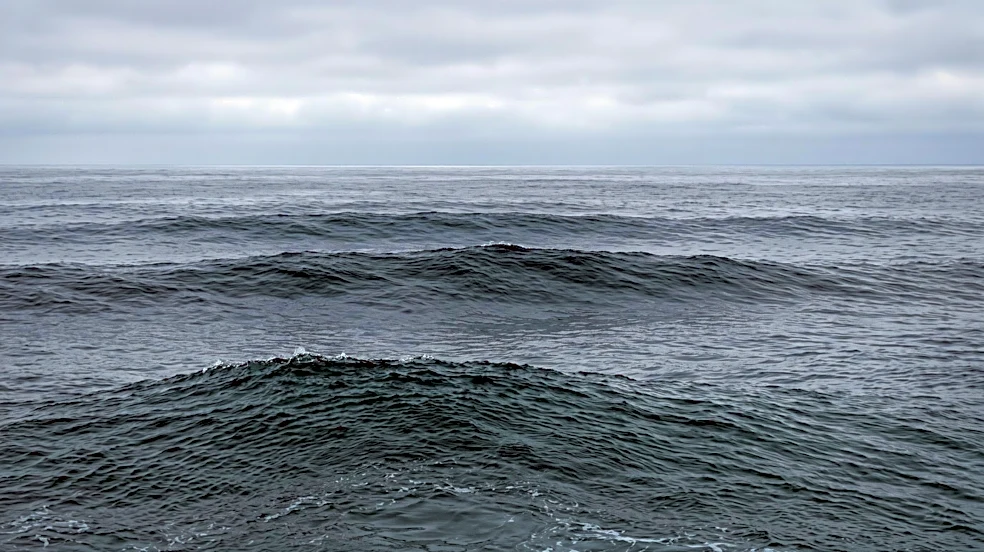
Reports of shark attacks on shipwrecked migrants off the Baja coast are being questioned by shark expert Christopher Lowe, director of the Cal State Long Beach Shark Lab. Early last Friday, a boat carrying over two dozen migrants sank approximately 140
miles off Ensenada. The U.S. Coast Guard rescued 16 individuals, with 11 still missing. Several rescued migrants reportedly sustained 'injuries consistent with shark bites.' However, Lowe stated that a mass attack by sharks in the open ocean is 'not unheard of, but super unlikely.' He emphasized that hypothermia and lack of fresh water would be more immediate concerns for shipwrecked individuals. Lowe also noted that if great white sharks were involved, the bites would be 'pretty recognizable and pretty substantial,' and no one has contacted him to examine the wounds for confirmation.
Why It's Important?
This incident highlights the perilous journeys undertaken by migrants and the dangers they face, not only from the elements but also from potential misinterpretations of events. The skepticism from a leading shark expert underscores the need for careful investigation and accurate reporting, especially in sensitive situations involving human lives. Misinformation or sensationalized accounts can create undue fear and potentially misdirect resources or public attention from the primary causes of such tragedies, such as unsafe smuggling operations. Understanding the true nature of the injuries is crucial for both humanitarian response and for informing public perception about marine life, preventing unwarranted fear or demonization of sharks.
What's Next?
Further investigation into the nature of the migrants' injuries is necessary to confirm or refute the shark attack reports. Without expert examination of the wounds, the cause remains speculative. The U.S. Coast Guard has not released additional details beyond the initial reports, suggesting a lack of definitive evidence. This situation may prompt calls for more thorough protocols in documenting injuries in rescue operations, especially when unusual circumstances are reported. The incident also serves as a stark reminder of the ongoing humanitarian crisis of migration and the extreme risks individuals take, often in unseaworthy vessels, to reach their destinations. Efforts to combat human smuggling and ensure safer passage for migrants will likely remain a critical focus.
Beyond the Headlines
The narrative surrounding potential shark attacks taps into deep-seated human fears and cultural anxieties, often amplified by media portrayals like 'Jaws.' Lowe's scientific perspective offers a counter-narrative, urging a fact-based approach over sensationalism. This incident also implicitly raises questions about the ethics of reporting on such tragedies, particularly when unverified details can overshadow the human suffering involved. The broader implication is how society processes and reacts to events that combine human vulnerability with natural dangers, and the importance of expert analysis in shaping public understanding. It also subtly touches upon the environmental context, as the presence of certain shark species in specific areas is a natural phenomenon, and understanding their behavior is key to human safety in marine environments.